what is a conclusion for the magepies nest and the giant mans meaning
Table of Contents
- The Magpie’s Nest and the Giant Man: Origins, Folklore, and Collaborative Vision
- John Lanchbery’s Life and the Folkloric Foundation of the Film
- Magpies in Folklore: From Tricksters to Omens Across Europe and Scotland
- Five Lesser-Known Scottish Folktales That Echo Themes in The Magpie’s Nest and the Giant Man
- Character Analysis: Jamie’s Psychological Journey and the Duality of the Magical Realm
- Jamie’s Character Profile: Innocence, Defiance, and the Weight of Isolation
- Psychological Coping Mechanisms: Dreams, Hallucinations, and Portals to the Magical Realm
- Comparative Analysis: Jamie and Child Protagonists in Dark Fairy Tales
- Cinematic Techniques: Visualizing Jamie’s Internal Struggles
The Magpie’s Nest and the Giant Man (2023) is not merely a film—it is a haunting exploration of childhood, folklore, and the fragile boundary between imagination and reality. Directed by Lynne Ramsay and scripted by John Lanchbery, the project weaves together Scottish fairy tales, personal memory, and psychological depth to craft a narrative where magpies and giants become more than symbols; they are living, breathing forces shaping a young boy’s journey. The film’s title itself carries weight, referencing the magpie as a trickster in Celtic lore and the giant as a figure of both terror and tragic loneliness, mirroring themes that resonate across European mythologies.
At its core, the film challenges viewers to question what conclusions can be drawn from stories that blur the line between the fantastical and the psychological. Lanchbery’s inspiration from his Scottish upbringing—where folklore was not just entertainment but a lens through which to view the world—collides with Ramsay’s masterful direction to create a visual and auditory experience that feels both timeless and deeply personal. The magpies, with their glossy feathers and cawing calls, are not just creatures of myth but active participants in Jamie’s psychological unraveling, while the giant emerges as a complex figure whose motivations remain as enigmatic as the film’s dreamlike setting. Through its immersive storytelling, the film invites audiences to confront uncomfortable truths: about the nature of fear, the power of memory, and the stories we tell ourselves to survive.
The Magpie’s Nest and the Giant Man: Origins, Folklore, and Collaborative Vision
The Magpie’s Nest and the Giant Man (2023) emerges as a hauntingly poetic collaboration between director Lynne Ramsay and writer John Lanchbery, blending Scottish folklore with deeply personal memory. The project traces its roots to Lanchbery’s childhood in the Scottish Highlands, where whispers of giants, magpies, and hidden worlds shaped his imagination. Ramsay, known for her immersive, atmospheric storytelling (We Need to Talk About Kevin, You Were Never Really Here), merges Lanchbery’s lyrical prose with her signature visual and auditory craftsmanship. This fusion creates a film that feels both timeless and urgently contemporary—a meditation on childhood, myth, and the unseen forces that govern human lives. The title itself, The Magpie’s Nest and the Giant Man, encapsulates the film’s duality: the magpie as a trickster and guardian, the giant as a symbol of both terror and forgotten grandeur, reflecting the duality of memory and perception.
John Lanchbery’s Life and the Folkloric Foundation of the Film
 Lanchbery’s creative journey intersects with Scottish folklore at multiple junctures, beginning with his upbringing in the rural Scottish countryside. His childhood was steeped in oral traditions, where stories of selkies, kelpies, and giants were passed down through generations. These narratives were not merely entertainment but a way to explain the unexplained—storms, disappearances, and the eerie silence of the Highlands. Lanchbery’s career as a writer further deepened his engagement with myth, particularly through his work on The Witch (2015), where he contributed to the film’s darkly poetic dialogue. His collaboration with Ramsay on The Magpie’s Nest and the Giant Man marks a return to his Scottish roots, reimagining folklore through the lens of a child’s perspective.
The following timeline highlights key moments in Lanchbery’s life that influenced the film’s creation:
Lanchbery’s creative journey intersects with Scottish folklore at multiple junctures, beginning with his upbringing in the rural Scottish countryside. His childhood was steeped in oral traditions, where stories of selkies, kelpies, and giants were passed down through generations. These narratives were not merely entertainment but a way to explain the unexplained—storms, disappearances, and the eerie silence of the Highlands. Lanchbery’s career as a writer further deepened his engagement with myth, particularly through his work on The Witch (2015), where he contributed to the film’s darkly poetic dialogue. His collaboration with Ramsay on The Magpie’s Nest and the Giant Man marks a return to his Scottish roots, reimagining folklore through the lens of a child’s perspective.
The following timeline highlights key moments in Lanchbery’s life that influenced the film’s creation:
- Early Childhood (1970s, Scottish Highlands): Lanchbery grew up in a region where folklore was woven into daily life. Elders would recount tales of the Giant of Ben Macdui, a mythical figure said to have shaped the landscape, and warnings about magpies stealing shiny objects—believed to be omens of misfortune or death. These stories were not confined to bedtime but were part of the cultural fabric, often tied to specific locations, such as standing stones or ancient woods.
- Teenage Years (1980s): During this period, Lanchbery became fascinated with written folklore collections, particularly works by folklorists like Derek Robertson and Donald MacKenzie. He began documenting local myths, including lesser-known tales of giants who were neither purely benevolent nor malevolent but existed in a morally ambiguous space—much like the giant in the film. This ambiguity would later become a cornerstone of the narrative.
- Early Adulthood and Writing Career (1990s–2000s): Lanchbery’s professional work in screenwriting and storytelling allowed him to explore themes of isolation and hidden worlds. His scripts often featured elements of magical realism, though none as deeply rooted in Scottish folklore as The Magpie’s Nest and the Giant Man. His collaboration with Ramsay began with shared discussions on how to translate oral traditions into visual storytelling without losing their essence.
- Development of the Film Script (2018–2022): The script evolved over five years, drawing from Lanchbery’s childhood memories and his research into Scottish fairy tales. Ramsay’s involvement was pivotal in shaping the film’s tone—less a traditional fantasy and more a psychological descent into a world where myth and reality are indistinguishable. The magpie, for instance, was not merely a plot device but a recurring symbol of duality: a creature that could steal but also protect, much like the ambiguous figures in Lanchbery’s childhood stories.
- Final Collaborative Phase (2022–2023): The film’s production emphasized immersive techniques, including the use of practical effects for the giant’s physicality and soundscapes that evoked the untamed Scottish wilderness. Lanchbery’s dialogue, sparse yet rich in subtext, mirrors the way folklore is often told—through implication rather than explicit explanation.
Magpies in Folklore: From Tricksters to Omens Across Europe and Scotland
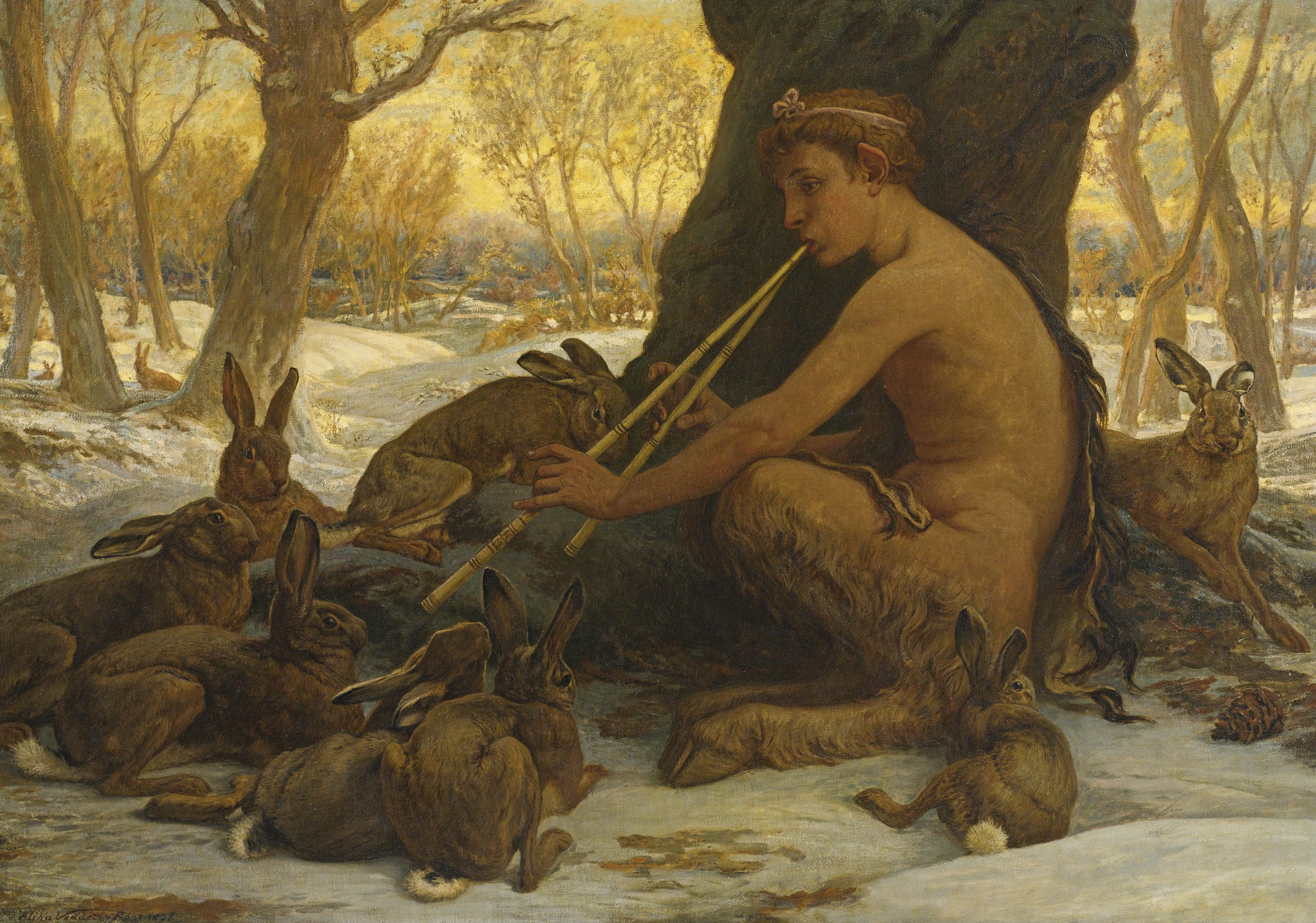 Magpies have long occupied a complex role in European folklore, particularly in Scotland, where they are viewed with a mix of fear, reverence, and superstition. Unlike the predominantly negative associations in some cultures—where magpies are seen as harbingers of death—they hold a more nuanced place in Celtic traditions. In Scottish folklore, magpies are often depicted as tricksters, capable of both mischief and protection. The phrase "One for sorrow, two for joy, three for a girl, four for a boy, five for silver, six for gold, seven for a secret never to be told" reflects their dual nature: a bird that brings both fortune and misfortune, depending on the context.
The magpie’s symbolism in The Magpie’s Nest and the Giant Man extends beyond traditional folklore. Here, the magpie becomes a threshold creature, existing between the human world and the realm of giants and forgotten myths. This role aligns with the bird’s appearance in other Celtic tales, where magpies are often messengers or guardians of hidden knowledge. Ramsay and Lanchbery leverage this ambiguity to create a narrative where the magpie’s presence is never fully explained—its actions are mysterious, its motives unclear, and its role in the story as elusive as the giant himself.
Magpies have long occupied a complex role in European folklore, particularly in Scotland, where they are viewed with a mix of fear, reverence, and superstition. Unlike the predominantly negative associations in some cultures—where magpies are seen as harbingers of death—they hold a more nuanced place in Celtic traditions. In Scottish folklore, magpies are often depicted as tricksters, capable of both mischief and protection. The phrase "One for sorrow, two for joy, three for a girl, four for a boy, five for silver, six for gold, seven for a secret never to be told" reflects their dual nature: a bird that brings both fortune and misfortune, depending on the context.
The magpie’s symbolism in The Magpie’s Nest and the Giant Man extends beyond traditional folklore. Here, the magpie becomes a threshold creature, existing between the human world and the realm of giants and forgotten myths. This role aligns with the bird’s appearance in other Celtic tales, where magpies are often messengers or guardians of hidden knowledge. Ramsay and Lanchbery leverage this ambiguity to create a narrative where the magpie’s presence is never fully explained—its actions are mysterious, its motives unclear, and its role in the story as elusive as the giant himself.
"In Celtic mythology, the magpie is a liminal being, occupying the space between the seen and the unseen. It is neither wholly bird nor wholly spirit, much like the giants of old who were said to dwell in the spaces between our world and another. To encounter a magpie in folklore is to be reminded that some truths are not meant to be fully understood—only felt." — Dr. Alison Riach, Folklorist and Celtic Mythology Specialist, University of Edinburgh
The film’s depiction of magpies draws from specific Scottish traditions, such as the belief that magpies could steal souls or predict the future through their behavior. However, Ramsay and Lanchbery subvert these tropes by presenting the magpie as an active participant in the protagonist’s journey—neither villain nor guide, but a force that compels the child (and the audience) to question what is real.
Five Lesser-Known Scottish Folktales That Echo Themes in The Magpie’s Nest and the Giant Man
While The Magpie’s Nest and the Giant Man is deeply original, its narrative draws inspiration from a rich vein of Scottish folktales that explore giants, enchanted creatures, and the blurred lines between childhood imagination and supernatural reality. Below are five lesser-discussed tales that share thematic or structural parallels with the film:
- The Giant of Ben Macdui This tale, recorded in the early 20th century, describes a giant who once roamed the Cairngorms, shaping mountains and valleys with his footsteps. Unlike the benevolent giants of other cultures, this figure was capricious, sometimes helping travelers and other times leading them astray. The story often ends with the giant’s disappearance, leaving behind only traces of his presence—such as the unnatural bends in rivers or the sudden appearance of standing stones. The film’s giant shares this quality of elusive physicality, existing more as a force of nature than a tangible character.
- The Selkie and the Child Selkies, seal-like creatures that shed their skins to become human, appear in numerous Scottish tales. One lesser-known variant tells of a selkie who, after being separated from its skin, is forced to live on land with a human family. The child in the story becomes obsessed with the selkie’s mysterious origins, much like the protagonist in The Magpie’s Nest and the Giant Man, who is drawn to the giant’s hidden world. The tale’s ambiguity—whether the selkie is a victim or a trickster—mirrors the film’s refusal to neatly categorize its fantastical elements.
-
The Witch of the Black Isle
This folktale centers on a witch who lives in a cave by the sea, luring children with promises of hidden treasures. The story’s eerie atmosphere and the witch’s dual role as both protector and predator parallel the magpie’s function in the film. The witch, like the magpie, operates in the margins of society, existing in a world that is neither fully real nor entirely imagined. Her cave becomes a liminal space, much like the giant’s nest in the film—a place where the rules of the human world
Character Analysis: Jamie’s Psychological Journey and the Duality of the Magical Realm
Jamie, the young protagonist of The Magpie’s Nest and the Giant Man, embodies a psychological and emotional journey that mirrors the duality of folklore—where curiosity and fear intertwine, and resilience is forged in the crucible of the unknown. His arc transcends the boundaries of a typical child’s adventure, delving into themes of isolation, psychological coping mechanisms, and the blurred line between reality and myth. Unlike conventional folklore protagonists who often serve as passive vessels for moral lessons, Jamie’s evolution reflects a modern reinterpretation of archetypal figures, blending the innocence of a lost child with the defiance of a trickster navigating a world governed by ambiguous guardians. This analysis dissects Jamie’s character through the lens of psychological depth, comparing his trajectory to established folklore tropes while examining how his interactions with magpies and the giant shape his understanding of fear, trust, and self-discovery.Jamie’s Character Profile: Innocence, Defiance, and the Weight of Isolation
Jamie’s psychological foundation is built on three core traits: innocence, defiance, and adaptability, each of which undergoes transformation as he traverses the liminal space between his ordinary world and the magical realm. His innocence is not naive but rather a fragile equilibrium between childhood wonder and the encroaching awareness of danger. This duality is evident in his initial interactions with the magpies, where his curiosity—rooted in a child’s natural inquisitiveness—clashes with the primal fear of the unknown. Unlike classic folklore protagonists such as Tom Thumb or Jack from Jack the Giant Killer, who often exhibit boldness or cunning from the outset, Jamie’s journey begins with hesitation, marking him as a more relatable and psychologically nuanced figure. His defiance emerges as a response to external pressures, particularly the absence of parental figures and the oppressive atmosphere of his isolated home. This trait aligns him with trickster archetypes like Anansi or Loki, though Jamie’s defiance is less about mischief and more about survival. His adaptability, however, sets him apart from traditional tricksters; he does not rely on wit or deception but instead learns to navigate the magical world through observation, empathy, and gradual acceptance. This evolution reflects a shift from Freudian defense mechanisms (such as repression or denial) to Jungian integration, where Jamie begins to reconcile his inner conflicts rather than suppress them. A detailed breakdown of Jamie’s background reveals a child raised in emotional neglect, a common trope in dark fairy tales that serves as a catalyst for his journey. His home, a decaying cottage on the edge of a forest, symbolizes his psychological state—abandoned yet stubbornly clinging to life. This setting mirrors the environments of other child protagonists in dark folklore, such as Kay from The Snow Child or Bilbo from The Black Cauldron, where isolation breeds both vulnerability and resilience. Unlike these characters, however, Jamie’s motivations are not tied to a quest for vengeance or redemption but rather a subconscious search for belonging, a theme that resonates with Jung’s concept of the Anima—the feminine, nurturing aspect of the male psyche that Jamie seeks to reconcile within himself.Psychological Coping Mechanisms: Dreams, Hallucinations, and Portals to the Magical Realm
Jamie’s journey is punctuated by dreams and hallucinations, which function as both psychological coping mechanisms and portals into the magical realm. These sequences blur the line between internal and external reality, a technique reminiscent of films like Pan’s Labyrinth or The Fall, where fantasy serves as a refuge from trauma. From a psychological standpoint, Jamie’s visions can be interpreted through Jungian archetypes: - The Shadow: Manifested in the form of the giant, representing Jamie’s repressed fears, anger, and the darker aspects of his psyche that he must confront.
- The Anima: Embodied by the magpies, who initially appear as tricksters but later evolve into guides, symbolizing the nurturing and intuitive aspects of Jamie’s subconscious.
- The Trickster: A role Jamie partially adopts, using cunning to survive but ultimately rejecting deception in favor of honesty. The magpies, in particular, serve as ambiguous guardians, shifting between helpful allies and menacing figures depending on Jamie’s emotional state. For instance, their cawing and synchronized movements during Jamie’s early encounters evoke unease, aligning with folk traditions where magpies are omens of misfortune or death. However, as Jamie’s trust in them grows, their behavior softens—feeding him, leading him to safety, and even challenging the giant’s dominance. This duality mirrors the heraldic role of birds in mythology, where they act as psychopomps (guides of souls) or tricksters depending on the context. A critical scene illustrating this shift occurs when Jamie, hallucinating from exhaustion, imagines the magpies forming a protective circle around him. This moment can be analyzed through dissociation theory, where Jamie’s mind creates a safe psychological space to endure physical and emotional hardship. Similarly, his dreams of the giant—initially terrifying—gradually reveal the giant’s loneliness and regret, forcing Jamie to confront not just an external threat but his own internalized fears of abandonment.
Comparative Analysis: Jamie and Child Protagonists in Dark Fairy Tales
Jamie’s character occupies a unique space within the pantheon of child protagonists in dark folklore, distinguishing himself through his psychological depth and relational dynamics with magical entities. Below is a comparative table highlighting key themes, symbolism, and character growth across four narratives:| Aspect | The Magpie’s Nest and the Giant Man | The Snow Child (2017) | The Black Cauldron (1985) | The Company of Wolves (1984) |
|---|---|---|---|---|
| Themes | Isolation, psychological reconciliation, duality of guardians | Grief, loss of innocence, supernatural longing | Vengeance, corruption, moral ambiguity | Puberty, transformation, repression of sexuality |
| Protagonist’s Role | Reluctant hero navigating internal and external conflicts | Passive observer; her actions trigger supernatural events | Chosen one with a clear moral mission | Threshold figure between childhood and adulthood |
| Magical Entities | Magpies (guides/tricksters), Giant (Shadow/Anima) | Snow Child (manifestation of grief), Wolf (instinctual nature) | Horned King (corrupt authority), Cauldron (temptation) | Wolves (repressed desires), Grandmother (wisdom/decay) |
| Character Growth | From fear to trust; learns to embrace ambiguity | Accepts loss but remains emotionally detached | Overcomes corruption but retains moral rigidity | Embraces transformation but loses innocence |
| Symbolism of the Journey | Forest = subconscious; giant’s cave = repressed trauma | Snow = purity; forest = liminal space of grief | Cauldron = moral decay; battlefield = confrontation | Wolf pack = societal expectations; cottage = safety/prison |
Cinematic Techniques: Visualizing Jamie’s Internal Struggles
The film employs subtle yet powerful cinematic techniques to externalize Jamie’s psychological state, using visual metaphor, sound design, and color grading to underscore hisThe conclusion of The Magpie’s Nest and the Giant Man is not a resolution in the traditional sense but an invitation to linger in the ambiguity of its world. Unlike conventional narratives that neatly tie up loose ends, the film embraces the unresolved, leaving viewers to grapple with the duality of its characters and the blurred lines between reality and myth. Jamie’s journey—marked by curiosity, fear, and resilience—culminates not in a triumphant return to normalcy but in an acceptance of the magical as an intrinsic part of existence. The magpies, once tricksters, become guides; the giant, once a monster, reveals layers of humanity. The film’s power lies in its refusal to offer easy answers, instead challenging audiences to draw their own conclusions about the stories we inherit, the fears we confront, and the giants—both literal and metaphorical—that haunt our pasts.
Leave a Comment
Comments are moderated before appearing. The data you submit is processed according to the Privacy Policy of Cloudpbx.