Unveiling the Power of Literary Devices: What Device is Used in 'The Crowd Roared'? Responses, Alliteration, Onomatopoeia, and More
Table of Contents
- The Symphony of Words: How Literary Devices Shape Emotion in Writing
- Alliteration: The Dance of Repetition
- Alliteration in Action: Crafting Memorable Phrases
- Onomatopoeia: The Sound of Words
- Creating Your Own Onomatopoeic Words
- Personification: Giving Life to the Inanimate
- Personification in Everyday Writing
- Similes and Metaphors: Painting with Comparisons
- What Device is Used in 'The Crowd Roared'? Responses and Analysis
- How to Use Onomatopoeia and Personification Together
- Putting It All Together: Crafting Vivid and Engaging Prose
- Practical Tips for Using Literary Devices
- Final Thoughts: The Crowd Roared—And So Should Your Writing
The Symphony of Words: How Literary Devices Shape Emotion in Writing
Imagine the scene: the stadium is packed, the tension is palpable, and the moment you’ve all been waiting for finally arrives. The crowd erupts in a thunderous roar, a wave of sound crashing over you like the ocean’s fury. What transforms this moment from mere description into something electric? The answer lies in the devices writers use to paint vivid pictures with words. Among these, alliteration, onomatopoeia, and personification stand out as powerful tools. But what device is used in the statement 'the crowd roared'? And how do these techniques elevate your writing to new heights? Let’s dive into the artistry behind these devices and discover how they breathe life into your stories.
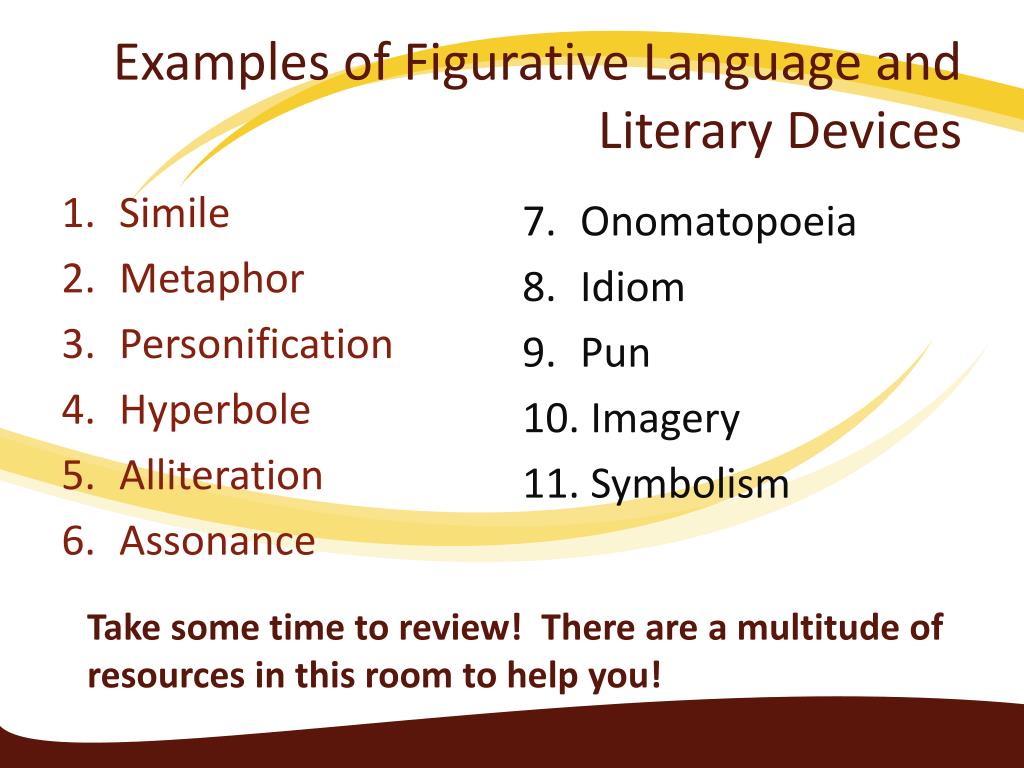
Literary devices are the secret ingredients that turn ordinary sentences into unforgettable moments. They allow writers to evoke emotions, create vivid imagery, and make their words resonate with readers on a deeper level. Whether you’re crafting a blog post, a novel, or a poem, understanding these devices can help you craft prose that feels alive and immersive.
In this exploration, we’ll uncover the magic behind alliteration, onomatopoeia, and personification. We’ll analyze how they work, why they matter, and how you can use them to make your writing more dynamic. By the end, you’ll have a clear answer to the question: What device is used in the statement 'the crowd roared'? And you’ll be equipped with the tools to wield these devices like a pro.

So, let’s embark on this journey through the landscape of literary devices, where every word is a brushstroke in the masterpiece of storytelling.
Alliteration: The Dance of Repetition
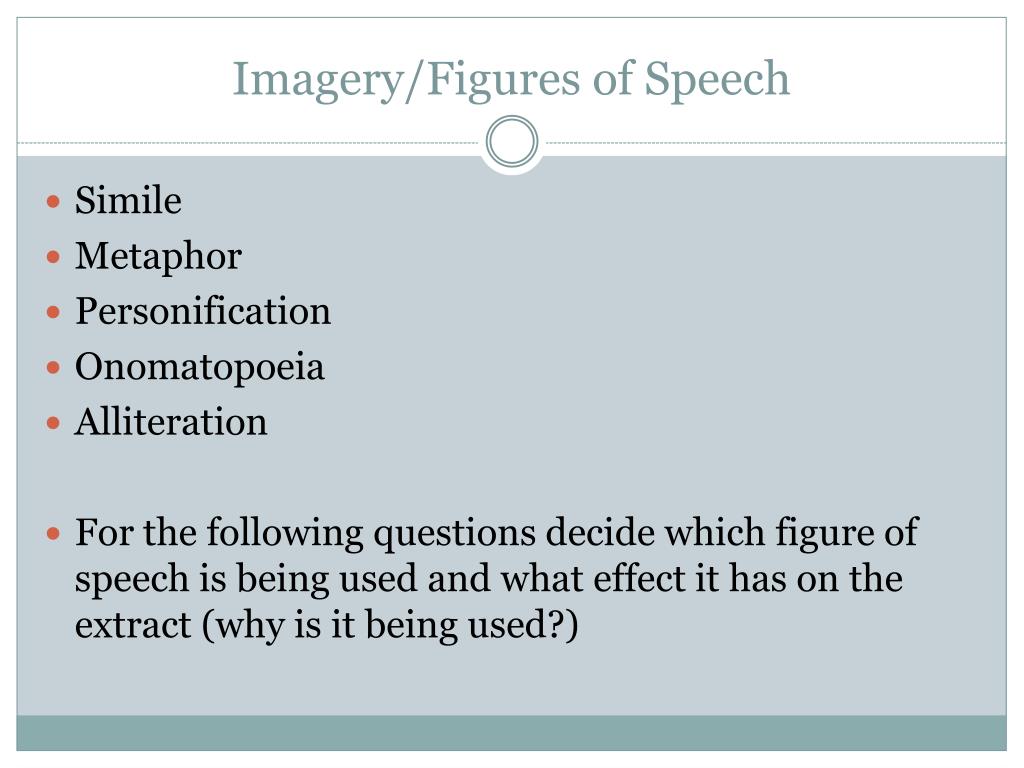
Alliteration is the poetic art of repeating consonant sounds at the beginning of words in close succession. Think of it as a musical rhythm where the sounds of letters create a melody. For example, in the phrase 'Peter Piper picked a peck of pickled peppers,' the repetition of the 'p' sound makes the sentence not only memorable but also playful and engaging.
Why does alliteration work so well? It creates a sense of harmony and flow, making phrases easier to remember. In writing, alliteration can evoke a particular mood or atmosphere. For instance, 'She sells seashells by the seashore' doesn’t just describe an action; it paints a vivid scene that feels almost tangible.
In literature, alliteration is often used to emphasize certain ideas or to create a rhythmic quality that mimics the subject matter. Consider the opening lines of Lewis Carroll’s Jabberwocky: 'Twas brillig, and the slithy toves / Did gyre and gimble in the wabe.' The repetition of the 't' and 'g' sounds gives the poem a whimsical, almost musical quality that draws readers in.
But how can you use alliteration in your own writing? Start by identifying the key sounds you want to emphasize, then weave them naturally into your sentences. For example, instead of writing 'The wind howled through the hollow hills,' you could use alliteration to create 'The wind whistled through the winding valleys.' The repetition of the 'w' and 'h' sounds adds a lyrical quality that enhances the imagery.
Alliteration isn’t just for poets or professional writers—it’s a tool anyone can use to make their writing more engaging and memorable.
Alliteration in Action: Crafting Memorable Phrases
Let’s put alliteration to work with a practical exercise. Suppose you’re describing a bustling marketplace. Instead of a generic description like 'The market was busy and bright,' try incorporating alliteration:
Bright banners blazed in the bustling bazaar, beckoning buyers with their bold hues.
The repetition of the 'b' sound not only makes the sentence more musical but also creates a vivid image of a lively marketplace. This technique can be particularly effective in headlines, taglines, or any piece of writing where you want to leave a lasting impression.
Remember, the key to effective alliteration is subtlety. Overusing it can make your writing feel forced or childish. Aim for a balance where the repetition enhances the meaning without overwhelming the reader.
Onomatopoeia: The Sound of Words
Onomatopoeia is the use of words that imitate the sounds they describe. It’s like giving your writing a soundtrack, allowing readers to 'hear' what’s happening through the very words on the page. Examples of onomatopoeic words include 'buzz,' 'hiss,' 'bang,' and 'crash.' These words don’t just describe sounds—they are the sounds.
The power of onomatopoeia lies in its ability to create immediacy and immersion. When you use onomatopoeic words, you transport your readers directly into the scene, making the experience more vivid and engaging. For instance, instead of writing 'The door closed quietly,' you could say 'The door clicked shut.' The word 'clicked' doesn’t just describe a sound—it makes the reader hear it.
Onomatopoeia is particularly effective in action scenes, where the sounds of movement and impact can heighten the drama. Consider this example: 'The arrow whizzed through the air, thudding into the target with a satisfying thunk.' The use of 'whizzed' and 'thunk' doesn’t just describe the action; it brings it to life.
But onomatopoeia isn’t limited to action scenes. It can also be used to evoke emotions or set the mood. For example, in a horror story, you might use words like 'creak,' 'drip,' or 'whisper' to build tension. In a romantic scene, soft sounds like 'giggle' or 'rustle' can create a sense of intimacy and warmth.
Creating Your Own Onomatopoeic Words
Not all sounds have a standard onomatopoeic word, which gives you the opportunity to get creative. If you’re describing a futuristic city, for example, you might invent a sound like 'zizzle' for the hum of advanced machinery. The key is to choose words that feel authentic to the scene you’re describing.
When using onomatopoeia, consider the context and the effect you want to achieve. A loud, sharp sound like 'explosion' or 'scream' can create tension, while softer sounds like 'hum' or 'murmur' can evoke calmness. Experiment with different words to see how they shape the reader’s experience.
Personification: Giving Life to the Inanimate
Personification is the literary device that attributes human characteristics to non-human things. It’s the reason we can say 'The wind whispered through the trees' instead of 'The wind blew through the trees.' By giving objects, animals, or abstract ideas human traits, writers can create deeper connections with their readers and make their stories more relatable.
Why does personification work so well? It helps readers empathize with elements that wouldn’t normally evoke emotion. For example, describing the 'angry clouds' in a storm doesn’t just tell us about the weather—it makes us feel the intensity of the storm as if it were a living, breathing entity with emotions of its own.
Personification is a versatile tool that can be used in a variety of contexts. In poetry, it’s often used to create vivid imagery and emotional resonance. For instance, in William Blake’s Tyger Tyger, the tiger is personified as a creature with deep, almost philosophical questions: 'What immortal hand or eye / Could frame thy fearful symmetry?' The tiger isn’t just a physical entity—it’s a symbol of mystery and power.
In everyday writing, personification can make your descriptions more engaging. Instead of saying 'The clock ticked slowly,' you could write 'The clock groaned as the seconds dragged by.' This not only describes the sound but also gives the clock a sense of fatigue, making the scene more vivid and dynamic.
Personification in Everyday Writing
Let’s explore how you can use personification in practical scenarios. Suppose you’re writing about a challenging project at work. Instead of saying 'The project was difficult,' you could use personification to say:
The project loomed over us like a mountain, its deadlines looming closer with each passing day.
Here, the project isn’t just a task—it’s a formidable opponent, which makes the challenge feel more real and daunting. This technique can be particularly effective in motivational or persuasive writing, where you want to evoke a strong emotional response.
Personification can also be used to create humor or irony. For example, in a humorous context, you might say, 'My alarm clock and I are not on speaking terms this morning.' This gives the alarm clock a personality, making the scenario more relatable and amusing.
Similes and Metaphors: Painting with Comparisons
While not explicitly mentioned in your question about 'the crowd roared,' it’s worth briefly touching on similes and metaphors since they often work hand-in-hand with the devices we’ve discussed. A simile uses 'like' or 'as' to compare two unlike things, while a metaphor makes a direct comparison without using those words.
For example, a simile might say, 'Her laughter was like music to his ears,' while a metaphor would say, 'Her laughter was music to his ears.' Both comparisons create vivid imagery, but they do so in slightly different ways.
Similes and metaphors can enhance the emotional impact of your writing by drawing parallels between familiar and unfamiliar concepts. For instance, describing a person’s eyes as 'pools of sadness' uses a metaphor to convey emotion in a way that’s both powerful and evocative.
In the context of our earlier question—what device is used in the statement 'the crowd roared'?—the answer isn’t a simile or metaphor, but these devices can complement the others. For example, you might combine onomatopoeia with a simile: 'The crowd roared like a storm breaking free.' This not only describes the sound but also enhances the imagery by comparing the crowd to a natural force.
What Device is Used in 'The Crowd Roared'? Responses and Analysis
Now, let’s address the core question: What device is used in the statement 'the crowd roared'? The answer lies in the word 'roared.' While 'roared' itself is an example of onomatopoeia—as it imitates the sound of a crowd making noise—this phrase also incorporates a subtle layer of personification. By saying 'the crowd roared,' we’re attributing the action of roaring, which is typically associated with animals like lions, to an inanimate group of people. This personification makes the crowd seem more alive and powerful, enhancing the emotional impact of the scene.
But let’s break it down further. The word 'roared' is primarily onomatopoeic because it mimics the sound a crowd would make. However, the act of describing the crowd as 'roaring' (rather than shouting, cheering, or clapping) adds a layer of intensity and ferocity. This is where personification comes into play—the crowd isn’t just making noise; it’s expressing itself with the raw power of an animal.
So, while 'roared' is rooted in onomatopoeia, the broader effect of the phrase relies on personification to create a dynamic and engaging description. This combination is what makes the statement so effective in storytelling.
How to Use Onomatopoeia and Personification Together
To harness the power of these devices together, consider how sounds and human traits can amplify each other. For example:
The thunder growled, its deep rumble shaking the very foundations of the old house.
Here, 'growled' is onomatopoeic, mimicking the sound of thunder, while 'its deep rumble' personifies the thunder as a living entity with intent. This combination makes the scene more immersive and emotionally charged.
In your own writing, experiment with pairing onomatopoeic words with personification to create richer descriptions. For instance, instead of saying 'The leaves rustled in the wind,' you could write, 'The leaves whispered secrets to the wind, their voices carried on the breeze.' This not only describes the sound but also gives the leaves a sense of agency and mystery.
Putting It All Together: Crafting Vivid and Engaging Prose
Now that we’ve explored alliteration, onomatopoeia, and personification, let’s see how these devices can work together to create a cohesive and powerful piece of writing. Consider the following example:
The stadium shook with the thunderous roar of the crowd, a symphony of cheers and chants that crashed like waves against the stands. Bright banners billowed in the breeze, their vibrant hues blending with the blinding beams of the stadium lights. The air hummed with anticipation, as if the very atmosphere was holding its breath, waiting for the moment when the crowd’s passion would explode into a crescendo of joy.
In this passage, we’ve used:
- Alliteration: 'Thunderous roar,' 'cheers and chants,' 'bright banners billowed,' 'blinding beams'
- Onomatopoeia: 'Roar,' 'crash'
- Personification: 'The air hummed with anticipation,' 'the very atmosphere was holding its breath'
Each device plays a role in building the scene, making it more vivid and emotionally resonant. The alliteration creates rhythm and flow, the onomatopoeia brings the sounds to life, and the personification gives the scene a sense of dynamism and emotion.
When combining these devices, aim for a natural and harmonious blend. Overusing any one technique can detract from the clarity of your writing, so strike a balance that enhances rather than overwhelms.
Practical Tips for Using Literary Devices
Here are some tips to help you incorporate these devices effectively into your writing:
- Read Aloud: Reading your work aloud can help you identify opportunities for alliteration and onomatopoeia. If a phrase feels musical or rhythmic, it’s likely using these devices well.
- Visualize the Scene: Close your eyes and imagine the setting you’re describing. What sounds, emotions, or human traits can you attribute to the elements in your scene?
- Edit for Clarity: Ensure that your use of literary devices doesn’t confuse or distract the reader. If a phrase feels forced, reconsider how you’re using the device.
- Study Examples: Read books, poems, and articles that use these devices effectively. Pay attention to how they’re implemented and why they work.
- Experiment: Don’t be afraid to try new combinations or invent your own onomatopoeic words. Creativity is key!
With these tips in mind, you’ll be well on your way to crafting prose that’s as powerful and engaging as the literary greats.
Final Thoughts: The Crowd Roared—And So Should Your Writing
So, what device is used in the statement 'the crowd roared'? The answer is a blend of onomatopoeia and personification, with a dash of alliteration if you consider the broader context. These devices don’t work in isolation—they combine to create a symphony of sound and emotion that brings your writing to life.
Whether you’re writing a blog post, a novel, or a poem, understanding and utilizing these literary devices can transform your words from simple descriptions into unforgettable experiences. Alliteration adds rhythm, onomatopoeia brings sounds to life, and personification gives depth and emotion to your scenes. Together, they create a tapestry of language that captivates readers and leaves a lasting impression.
So, go ahead—let your words roar. Experiment with these devices, trust your creativity, and watch as your writing evolves into something truly extraordinary. After all, the most powerful stories aren’t just told; they’re felt. And that’s the magic of literary devices.
Now, pick up your pen—or your keyboard—and start crafting prose that resonates. The crowd is waiting, and they’re ready to roar with your words.
Leave a Comment
Comments are moderated before appearing. The data you submit is processed according to the Privacy Policy of Cloudpbx.