Which Element in Period 2 Has the Least Mass? Unveiling the Lightest Atom in the Second Row of the Periodic Table
Table of Contents
- Understanding Period 2 of the Periodic Table: A Journey Through the Lightest Elements
- What Is Period 2, and Why Does It Matter?
- The Concept of Atomic Mass: What Determines an Element's Weight?
- Atomic Masses of Period 2 Elements
- Lithium: The Lightest Element in Period 2
- Why Does Atomic Mass Matter in Chemistry?
- Comparing Lithium to Other Light Elements
- Common Misconceptions About Atomic Mass and Period 2 Elements
- Exploring the Implications of Lithium’s Low Mass
- How to Determine the Least Massive Element in Any Period
- Conclusion: The Significance of Lithium and the Lightest Elements
Understanding Period 2 of the Periodic Table: A Journey Through the Lightest Elements
The periodic table is a treasure trove of chemical elements, each with its own unique properties and characteristics. For those curious about the lighter side of chemistry, Period 2 is a fascinating row to explore. This period includes some of the most fundamental elements that shape our world, from the air we breathe to the materials we use daily. But which element in this row holds the title of the least massive? The answer might surprise you.

In this article, we’ll dive deep into the elements of Period 2, examining their atomic masses, properties, and significance. Whether you're a student, educator, or simply a chemistry enthusiast, understanding which element in Period 2 has the least mass will not only satisfy your curiosity but also provide insights into the fundamental building blocks of our universe.
By the end of this exploration, you’ll have a clearer picture of how atomic mass impacts an element’s behavior, its role in nature, and why some elements are lighter—or heavier—than others.

What Is Period 2, and Why Does It Matter?
The periodic table is organized into rows called periods and columns called groups. Period 2 consists of eight elements, starting with lithium (Li) and ending with neon (Ne). These elements are:
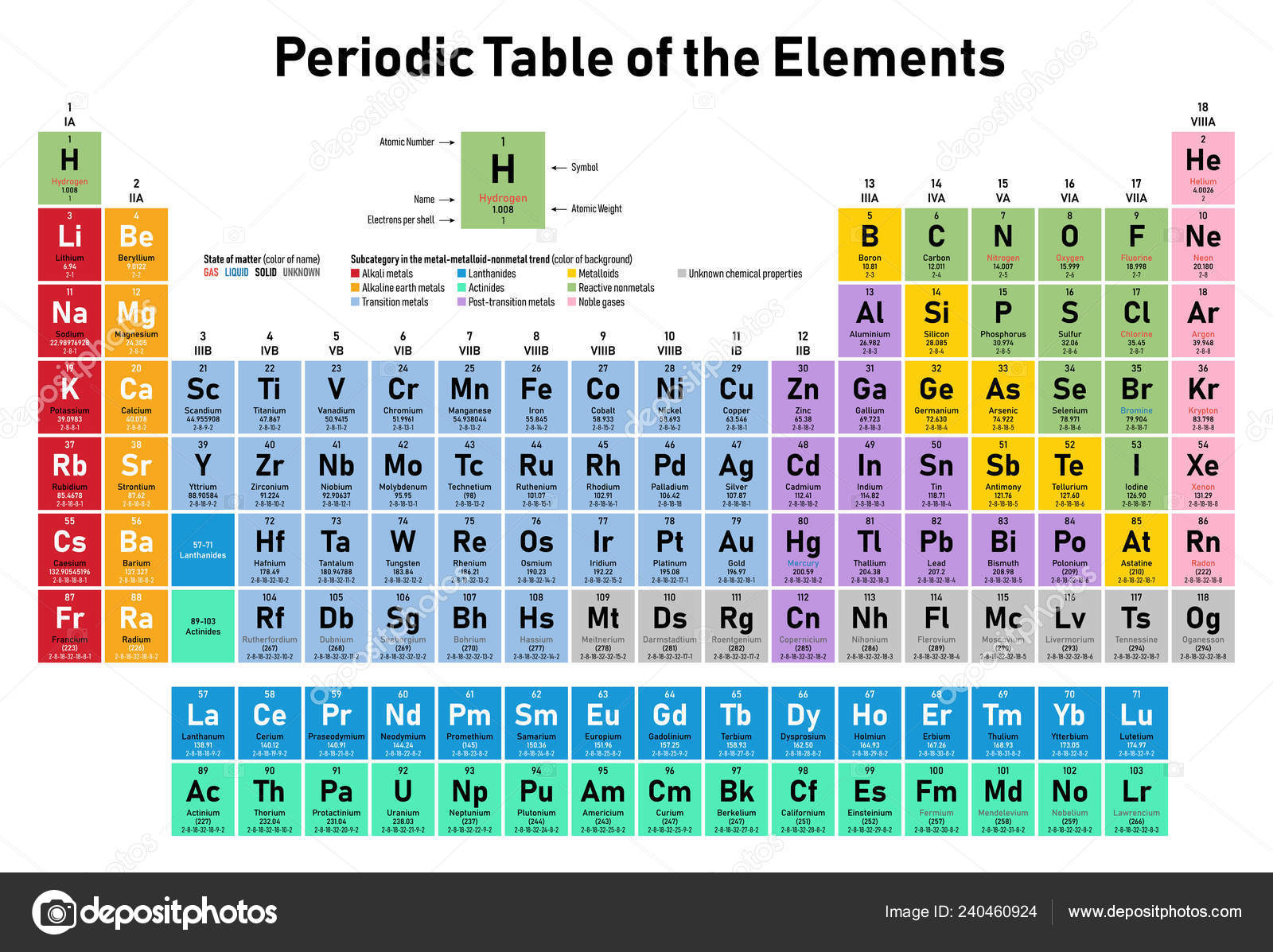
- Lithium (Li)
- Beryllium (Be)
- Boron (B)
- Carbon (C)
- Nitrogen (N)
- Oxygen (O)
- Fluorine (F)
- Neon (Ne)
This period is significant because it includes some of the most abundant and essential elements in the universe. For instance, carbon is the backbone of organic life, while nitrogen and oxygen are crucial for respiration. But when it comes to which element in Period 2 has the least mass, we need to look beyond their names and dive into their atomic structures.
Period 2 elements are all characterized by having their outermost electrons in the second shell (n=2). This shared electron configuration gives them distinct chemical behaviors, such as forming covalent bonds and exhibiting a range of reactivities. However, their atomic masses vary significantly, and this variation is key to answering our central question.
The Concept of Atomic Mass: What Determines an Element's Weight?
Atomic mass is a fundamental property of an element, representing the average mass of its atoms. It is primarily determined by the number of protons and neutrons in the nucleus. While the number of protons (atomic number) defines the element, the number of neutrons can vary, leading to different isotopes. However, for most practical purposes, we refer to the standard atomic mass, which accounts for the relative abundance of an element’s isotopes.
For example, lithium has two stable isotopes: lithium-6 and lithium-7. The atomic mass of lithium is an average of these isotopes, weighted by their natural abundance. Similarly, carbon has two stable isotopes, carbon-12 and carbon-13, contributing to its atomic mass of approximately 12.01 atomic mass units (u).
When asking which element in Period 2 has the least mass, we’re essentially looking for the element with the smallest atomic mass value. To answer this, we’ll compare the atomic masses of all Period 2 elements as listed in the periodic table.
Atomic Masses of Period 2 Elements
Here’s a quick breakdown of the atomic masses of each element in Period 2:
- Lithium (Li): 6.94 u
- Beryllium (Be): 9.01 u
- Boron (B): 10.81 u
- Carbon (C): 12.01 u
- Nitrogen (N): 14.01 u
- Oxygen (O): 16.00 u
- Fluorine (F): 19.00 u
- Neon (Ne): 20.18 u
From this list, it’s clear that lithium has the smallest atomic mass among all the elements in Period 2. But why is this the case? And what does this tell us about lithium’s properties and behavior?
Lithium: The Lightest Element in Period 2
Lithium, with an atomic mass of approximately 6.94 u, is not only the lightest element in Period 2 but also the lightest metal on the periodic table. Its position at the beginning of the period is no coincidence—it’s the first element in the alkali metal group (Group 1), which is known for its highly reactive and lightweight nature.
Lithium’s low atomic mass is due to its simple atomic structure: it has just three protons and typically three to four neutrons, depending on the isotope. This minimal nuclear composition contributes to its lightweight nature. Additionally, lithium’s single valence electron in its outermost shell makes it highly reactive, especially with water and halogens like chlorine.
But what makes lithium so special beyond its mass? Let’s explore some of its unique properties and applications:
- Reactivity: Lithium reacts vigorously with water, producing hydrogen gas and lithium hydroxide. This reactivity is a hallmark of alkali metals.
- Use in Batteries: Due to its high electrochemical potential, lithium is a key component in rechargeable batteries, powering everything from smartphones to electric vehicles.
- Lightweight Applications: Its low density makes lithium valuable in aerospace and automotive industries, where reducing weight is critical.
- Biological Role: Lithium compounds are used in mood-stabilizing medications, highlighting its importance in medicine.
Given these properties, it’s easy to see why lithium stands out—not just as the lightest element in Period 2 but also as one of the most versatile and important elements in modern technology and science.
Why Does Atomic Mass Matter in Chemistry?
Understanding atomic mass is crucial for several reasons in chemistry and related fields. Here’s why it matters:
- Chemical Reactions: The mass of reactants and products in a chemical reaction must be conserved (as per the law of conservation of mass). Atomic masses help chemists balance equations accurately.
- Isotope Studies: Variations in atomic mass due to different isotopes can influence an element’s behavior in nuclear reactions and medical imaging (e.g., carbon-14 dating).
- Periodic Trends: Atomic mass contributes to trends such as atomic radius, ionization energy, and electronegativity across periods and groups. For instance, as you move from left to right in Period 2, atomic mass increases, which correlates with changes in these properties.
- Practical Applications: In industries like pharmaceuticals and materials science, precise knowledge of atomic masses is essential for developing new compounds and optimizing processes.
When considering which element in Period 2 has the least mass, we’re not just answering a trivia question—we’re uncovering a fundamental aspect of how elements interact and behave in the natural world.
Comparing Lithium to Other Light Elements
While lithium is the lightest in Period 2, it’s worth comparing it to other light elements in the periodic table to gain a broader perspective. For example:
- Hydrogen (H): The lightest element overall, with an atomic mass of about 1.01 u. Hydrogen is not in Period 2 but is in Period 1.
- Helium (He): The second-lightest element, with an atomic mass of about 4.00 u, and also in Period 1.
- Beryllium (Be): The second-lightest element in Period 2, with an atomic mass of 9.01 u, is significantly heavier than lithium.
This comparison underscores lithium’s unique position as the lightest element in its period, bridging the gap between the ultra-light elements of Period 1 and the heavier elements that follow.
Common Misconceptions About Atomic Mass and Period 2 Elements
There are several myths and misunderstandings surrounding atomic mass and the elements of Period 2. Let’s address some of the most common ones:
- “Helium is the lightest element in Period 2.”
This is incorrect. Helium is in Period 1, not Period 2. Lithium is the lightest element in Period 2.
- “Atomic mass is the same as atomic weight.”
While related, atomic mass refers to the mass of a single atom, whereas atomic weight is the average mass of an element’s atoms, considering its isotopes. However, in modern usage, the terms are often used interchangeably.
- “All elements in Period 2 have similar masses.”
This is far from true. As we’ve seen, the atomic masses in Period 2 range from about 6.94 u (lithium) to 20.18 u (neon), showing a significant variation.
- “The element with the least mass is always the most abundant.”
Abundance and atomic mass are unrelated properties. For example, oxygen is more abundant in Earth’s crust than lithium, despite being much heavier.
Clearing up these misconceptions helps us appreciate the nuances of the periodic table and the importance of accurate scientific understanding.
Exploring the Implications of Lithium’s Low Mass
Lithium’s status as the lightest element in Period 2 has several implications across different fields:
- Physics: Its low mass makes lithium an ideal candidate for studying quantum mechanics and nuclear physics. For instance, lithium’s isotopes are used in experiments to understand nuclear reactions.
- Chemistry: Lithium’s reactivity and lightweight nature influence its chemical behavior, such as forming ionic compounds and participating in redox reactions.
- Technology: The demand for lightweight materials in electronics and aerospace has driven innovations in lithium-ion batteries, which are now ubiquitous in portable devices and electric vehicles.
- Environmental Science: Understanding lithium’s properties helps in assessing its environmental impact, such as mining practices and recycling efforts to reduce waste.
Moreover, lithium’s low mass contributes to its high specific heat and thermal conductivity, making it useful in thermal management applications. These properties are critical in designing systems that require efficient heat dissipation, such as in high-performance electronics.
“The lightness of lithium is not just a curiosity—it’s a cornerstone of modern technology, driving innovations that shape our daily lives.”
By recognizing lithium’s unique place in Period 2, we can better appreciate its role in both natural processes and human-made technologies.
How to Determine the Least Massive Element in Any Period
If you’re curious about identifying the least massive element in other periods of the periodic table, here’s a step-by-step approach:
- Locate the Period: Identify the row (period) you’re interested in. For example, Period 3 includes sodium (Na) to argon (Ar).
- List the Elements: Write down all the elements in that period in order.
- Find Atomic Masses: Refer to the periodic table or a reliable chemistry resource to find the atomic masses of each element.
- Compare the Masses: Look for the element with the smallest atomic mass value.
- Verify: Double-check your findings using multiple sources to ensure accuracy.
For instance, applying this method to Period 3 would reveal that sodium (Na), with an atomic mass of about 22.99 u, is the lightest element in that period.
This method can be applied to any period, making it a valuable tool for students and enthusiasts alike.
Conclusion: The Significance of Lithium and the Lightest Elements
In our quest to answer which element in Period 2 has the least mass, we’ve uncovered more than just a scientific fact. We’ve explored the fundamental properties of elements, the role of atomic mass in chemistry, and the unique characteristics of lithium that make it stand out. Lithium’s lightweight nature not only defines its place in the periodic table but also highlights its critical role in technology, medicine, and industry.
Understanding these concepts deepens our appreciation for the periodic table as a tool for predicting element behavior and driving innovation. Whether you’re a student memorizing the table or a professional applying chemical principles, recognizing the significance of atomic mass—and the elements it defines—is essential.
So, the next time you encounter lithium in a battery, a lab experiment, or a scientific article, remember: it’s not just another element. It’s the lightest in its period, a testament to the beauty and complexity of the periodic table.
Keep exploring, asking questions, and uncovering the wonders of chemistry—one element at a time!
Leave a Comment
Comments are moderated before appearing. The data you submit is processed according to the Privacy Policy of Cloudpbx.