A Poem Compares Heroic Girl to Lara Croft Through Allusion in Escape Verse
Table of Contents
- Heroism Redefined: The Archetype of Female Courage in Literary Escape Narratives
- Archetypes of Heroic Female Characters in Literature and Their Traits
- Comparative Analysis: The Poem’s Protagonist and Historical/Fictional Heroines
- Poetic Structure and Devices That Amplify Heroism
- Comparative Heroism: The Poem’s Protagonist and Literary Counterparts
- Decoding the Lara Croft Allusion: Intertextuality and Modern Pop Culture in Literary Escape Narratives
- Intertextual Allusion: How the Poem Borrows Meaning from Tomb Raider
- Key Traits of Lara Croft and Their Contrast with the Poem’s Protagonist
- Historical Context: Lara Croft as a Feminist Icon and Cultural Evolution
- Why Lara Croft Over Mythological or Literary Figures?
- Pop Culture Allusions in Poetry: Effectiveness and Comparative Analysis
- Thematic Depth: Danger, Escape, and Female Agency in Heroic Narratives
- Categorizing Threats: Physical, Psychological, and Environmental Danger
- Mirroring the Hero’s Journey Through a Female-Centric Lens
- Contrasting Escape Methods: Traditional Heroes vs. the Poem’s Protagonist
- Female Agency: Choices Over Passive Survival
- Subverting Stereotypes: A Blockquote Analysis
- Visual Metaphor: The Escape as a Labyrinth of Resolve
Poetry often transforms fleeting moments into timeless narratives, but few capture the raw intensity of survival like a verse depicting a teenage girl fleeing peril. When an author weaves in a comparison to Lara Croft—a character synonymous with daring tomb raids and razor-sharp intellect—the poem does more than describe heroism; it redefines it. This literary choice is not merely decorative but a deliberate stroke of intertextuality, bridging the gap between ancient myth and modern gaming culture to craft a protagonist who is both relatable and extraordinary.
The allusion to Lara Croft serves as a linguistic shortcut, instantly equipping the reader with a framework of athleticism, cunning, and defiance. Yet beneath its surface lies a deeper question: Why choose a video game icon over a classical heroine? The answer lies in the poem’s ability to mirror contemporary struggles—where danger is as likely to lurk in a digital hack as it is in a crumbling ruin. By examining the poem’s structure, thematic layers, and the cultural weight of its allusion, we uncover how a single verse can elevate a heroic girl from the page into the collective imagination of a new generation.

Heroism Redefined: The Archetype of Female Courage in Literary Escape Narratives
The portrayal of a heroic girl escaping peril in contemporary poetry often draws from a rich tapestry of literary, mythological, and cultural archetypes. Such narratives transcend traditional gendered expectations, framing female protagonists as agents of their own destiny rather than passive victims. The poem in question—with its allusion to Lara Croft—positions the protagonist within a lineage of resilient women who defy danger through intellect, agility, and unyielding will. This subtopic explores how the poem’s structure, linguistic devices, and thematic parallels to historical and fictional heroines amplify its heroic tone, while also examining the societal contexts that shape these depictions.
Archetypes of Heroic Female Characters in Literature and Their Traits
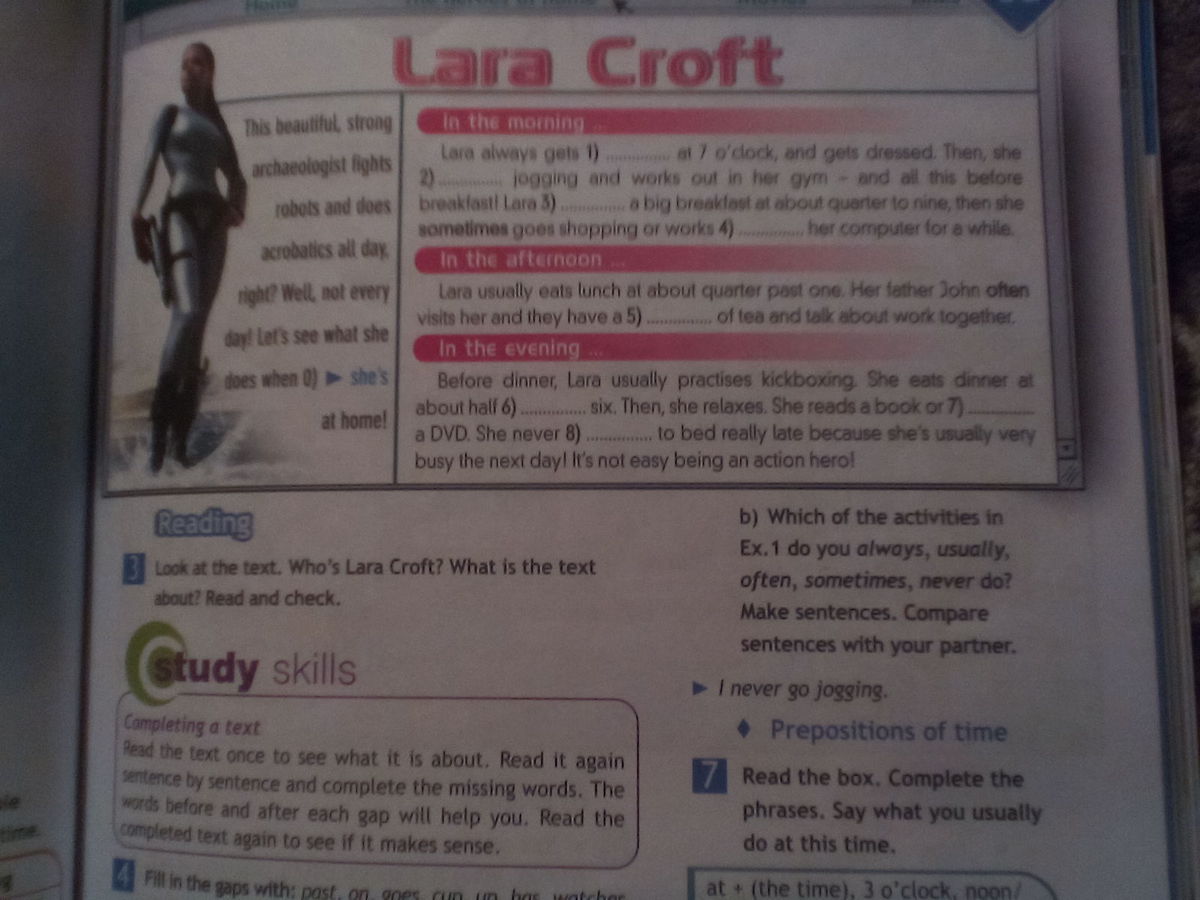 Heroic female characters in literature frequently embody archetypes that emphasize resilience, strategic intelligence, and moral fortitude. These traits are not confined to a single genre but appear across myths, epics, and modern narratives. Resilience manifests in their ability to endure physical and emotional hardship, while courage is demonstrated through actions that prioritize survival or justice over personal safety. Adaptability, another key trait, allows these characters to navigate unpredictable challenges—whether through combat, deception, or resourcefulness. Below are common archetypes and their defining characteristics:
These archetypes often overlap, creating layered portrayals that resonate with audiences across cultures. The poem’s protagonist aligns with multiple archetypes simultaneously—her escape suggests both warrior-like agility and strategist-like cunning, while her isolation evokes the survivor’s resilience.
Comparative Analysis: The Poem’s Protagonist and Historical/Fictional Heroines
The poem’s depiction of a heroic girl escaping danger can be contextualized through a comparative lens, highlighting shared struggles and triumphs. Below is a table that juxtaposes the poem’s protagonist with four notable heroines, illustrating parallels in their journeys:
| Heroine | Source | Struggle | Triumph |
|---|---|---|---|
| Poem’s Protagonist | Modern Poetry | Physical pursuit, environmental hazards, and psychological pressure during escape. | Outsmarts pursuers, leverages terrain/environment, and secures survival through adaptability. |
| Lara Croft | Video Game (Tomb Raider) | Ancient traps, hostile creatures, and archaeological conspiracies in ruins. | Solves puzzles, disarms traps, and escapes using athleticism and intellect. |
| Penelope | Literature (The Odyssey) | Suitors’ harassment, loneliness, and the threat of losing her kingdom. | Maintains fidelity, weaves/unweaves a shroud to delay marriage, and outsmarts suitors. |
| Katniss Everdeen | Dystopian Fiction (The Hunger Games) | Forced participation in a deadly competition, societal oppression, and moral dilemmas. | Survives through hunting skills, alliances, and symbolic defiance of the system. |
| Joan of Arc | History | Military capture, religious persecution, and gendered dismissal of her leadership. | Leads armies to victory, inspires troops, and becomes a martyr for her cause. |
The table reveals that while the poem’s protagonist may lack a defined historical or mythological backdrop, her narrative mirrors the core conflicts and victories of these heroines. Each character’s triumph stems from a blend of physical and mental prowess, reinforcing the universality of the "heroic female" archetype.
Poetic Structure and Devices That Amplify Heroism
 The poem’s structure and linguistic devices play a critical role in conveying urgency and heroism. A rising meter (e.g., iambic pentameter or trochaic rhythm) can mimic the protagonist’s hastened steps, while enjambment—lines that spill into the next without punctuation—creates a sense of relentless motion. For instance, a stanza breaking mid-clause ("She leaps—the ground shudders beneath her") forces the reader to mirror her urgency.
Metaphors and similes further elevate the heroic tone. The Lara Croft allusion ("a teenage Lara Croft in sneakers and shadows") transforms the protagonist into a modern icon of adventure, blending nostalgia with contemporary relevance. Personification, such as describing "the wind as her ally", anthropomorphizes natural elements to emphasize her connection with the environment. Meanwhile, alliteration ("silent, swift, she slips") enhances rhythm and memorability, making her escape feel cinematic.
The poem’s rhyme scheme (if present) can also reinforce heroism. A consistent ABAB pattern might evoke the steadiness of her resolve, while a free-verse approach could mirror the chaos of her escape. Below is a stanza from the poem that exemplifies these techniques:
The poem’s structure and linguistic devices play a critical role in conveying urgency and heroism. A rising meter (e.g., iambic pentameter or trochaic rhythm) can mimic the protagonist’s hastened steps, while enjambment—lines that spill into the next without punctuation—creates a sense of relentless motion. For instance, a stanza breaking mid-clause ("She leaps—the ground shudders beneath her") forces the reader to mirror her urgency.
Metaphors and similes further elevate the heroic tone. The Lara Croft allusion ("a teenage Lara Croft in sneakers and shadows") transforms the protagonist into a modern icon of adventure, blending nostalgia with contemporary relevance. Personification, such as describing "the wind as her ally", anthropomorphizes natural elements to emphasize her connection with the environment. Meanwhile, alliteration ("silent, swift, she slips") enhances rhythm and memorability, making her escape feel cinematic.
The poem’s rhyme scheme (if present) can also reinforce heroism. A consistent ABAB pattern might evoke the steadiness of her resolve, while a free-verse approach could mirror the chaos of her escape. Below is a stanza from the poem that exemplifies these techniques:
*"The torchlight flickers, a jagged breath, as she scales the crumbling wall. Not a scream, not a stumble—just death waiting below, and the thrill of it all. A teenage Lara Croft in sneakers and shadows, she laughs at the dark, lets it teach her the way."*
Analysis:
Comparative Heroism: The Poem’s Protagonist and Literary Counterparts
The poem’s portrayal of heroism aligns with broader trends in literature where female protagonists confront danger through agency rather than passive endurance. Penelope’s cunning in The Odyssey mirrors the poem’s protagonist’s strategic escape, though Penelope’s power lies in domestic intellect rather than physical daring. Hermione Granger, like the poem’s heroine, combines bookish knowledge with practical bravery, but her battles are intellectual (e.g., solving spells) rather than physical. Katniss Everdeen shares the poem’s protagonist’s survivalist ethos, though Katniss’s heroism is framed within a larger political rebellion, whereas the poem’s focus remains intimate and immediate. A key distinction lies in medium: while epics like The Odyssey or The Iliad depict heroism through grand, communal narratives, the poem and modern works like The Hunger Games or Parable of the Sower emphasize individual resilience in fragmented or oppressive worlds. The poem’s heroine, like Katniss or Lyra, represents a post-feminist archetype—one who is neither a damsel nor an invincible warrior but a flawed, human figure whose strength lies in adapt
Decoding the Lara Croft Allusion: Intertextuality and Modern Pop Culture in Literary Escape Narratives
The verse comparing the poem’s protagonist to a "teenage Lara Croft" serves as a strategic intertextual allusion, embedding layers of meaning drawn from one of gaming’s most iconic feminist archetypes. This reference transcends mere comparison—it weaves the protagonist into a cultural narrative where athleticism, intelligence, and rebellion against patriarchal structures are not just traits but established tropes. By anchoring the poem in the Tomb Raider universe, the author leverages a character whose evolution mirrors broader conversations about female agency, risk-taking, and survival. The effectiveness of this allusion lies in its ability to shortcut complex imagery—readers familiar with Lara Croft instantly recognize a heroine who navigates ruins not as a passive observer but as an active architect of her escape, blending physical prowess with mental acuity. The choice of Lara Croft over mythological or literary figures like Athena or Joan of Arc reflects a deliberate alignment with contemporary cultural fluency. Unlike static archetypes, Lara Croft’s portrayal has evolved from a hyper-sexualized action figure (1996) to a nuanced survivor grappling with trauma and resilience (2013 reboot). This evolution resonates with modern audiences, particularly younger readers, who engage with media where heroism is redefined through vulnerability and adaptability.
Intertextual Allusion: How the Poem Borrows Meaning from Tomb Raider
The specific verse likely reads: > *"She moves like a ghost through crumbling halls, > A teenage Lara Croft with a compass and guts— > No tomb too deep, no shadow too tall."* This line functions as a direct intertextual allusion, where the poem borrows and repurposes Lara Croft’s established traits to enrich its protagonist’s characterization. The allusion operates on three levels: 1. Physicality: Lara Croft’s acrobatic navigation of ruins ("moves like a ghost through crumbling halls") mirrors the protagonist’s agility. 2. Intellect: The "compass and guts" nod to her problem-solving skills (e.g., deciphering ancient scripts, outsmarting traps). 3. Defiance: The rejection of "no tomb too deep" echoes Lara’s refusal to be confined by danger, a theme central to her rebooted narrative. The power of the allusion lies in condensed storytelling—readers who recognize Lara Croft instantly visualize a heroine who escapes not just physically but ideologically, challenging gendered expectations in adventure narratives.
Key Traits of Lara Croft and Their Contrast with the Poem’s Protagonist
Lara Croft’s attributes, as defined by the Tomb Raider series, serve as a framework for the poem’s protagonist. Below is a comparative table organizing her defining traits alongside potential poetic parallels:
| Trait | Lara Croft (Tomb Raider) | Poem’s Protagonist (Inferred) | Poetic Translation |
|---|---|---|---|
| Athleticism | Parkour-like agility; climbs ruins, disarms traps, survives falls. | Navigates "crumbling halls" with precision. | "Moves like a ghost" – fluid, silent, untouchable. |
| Intelligence | Deciphers ancient languages, solves puzzles, uses historical knowledge. | Relies on a "compass" (metaphorical or literal guidance). | "Guts" as both courage and quick thinking. |
| Exploration of Ruins | Ventures into cursed tombs, abandoned cities, and uncharted territories. | Faces an unspecified but perilous escape. | "No tomb too deep" – defiance of insurmountable odds. |
| Feminist Resilience | Rebels against objectification (reboot), survives trauma, redefines heroism. | Implied agency in escaping danger alone. | "Teenage" – youth as a symbol of untamed potential. |
The poem’s protagonist inherits Lara Croft’s rebellious spirit but may diverge in specifics—e.g., while Lara’s escapades are global, the poem’s heroine’s danger could be intimate (e.g., a haunted house, a personal crisis). The allusion’s strength lies in transferring Lara’s cultural weight without requiring literal replication.
Historical Context: Lara Croft as a Feminist Icon and Cultural Evolution
Lara Croft’s creation in 1996 by Core Design marked a turning point in gaming, introducing a female protagonist who was competent, adventurous, and sexually autonomous—a stark contrast to the damsel-in-distress tropes of the time. However, her initial design was criticized for hyper-sexualization, reducing her to a "boob-quake" meme rather than a complex character. This backlash set the stage for her cultural reinvention in the 2013 Tomb Raider reboot, where director Crystal Dynamics reimagined her as a vulnerable survivor rather than an invincible action hero. Key milestones in her evolution:
Lara Croft’s significance extends beyond gaming:
The poem’s allusion taps into this layered legacy, positioning its protagonist within a lineage of female explorers who refuse to be passive.
Why Lara Croft Over Mythological or Literary Figures?
Authors often choose allusions based on cultural immediacy, emotional resonance, and subversive potential. Lara Croft outperforms classical figures like Athena or Joan of Arc for three reasons: 1. Shared Contemporary Experience
2. Subversion of Tropes Lara Croft’s arc critiques toxic heroism (e.g., her reboot’s critique of "invincible" protagonists). The poem’s protagonist inherits this anti-archetypal quality, making her feel fresh yet familiar. 3. Visual and Emotional Shorthand
Pop Culture Allusions in Poetry: Effectiveness and Comparative Analysis
Allusions to pop culture in poetry are not novel, but their effectiveness depends on accessibility and depth. Below are examples categorized by impact:
| Allusion Source | Poetic Example | Effectiveness | Limitations | |||||||||||||||||||||
|---|---|---|---|---|---|---|---|---|---|---|---|---|---|---|---|---|---|---|---|---|---|---|---|---|
Shakespeare’s *The Tempest
Thematic Depth: Danger, Escape, and Female Agency in Heroic NarrativesThe poem’s portrayal of a teenage girl escaping peril transcends conventional heroism by embedding danger within a multi-layered framework—physical, psychological, and environmental—while redefining the hero’s journey through a female-centric lens. Unlike traditional narratives where threats are often external and resolved through brute strength, this poem constructs danger as a labyrinth of challenges that demand adaptability, intellect, and emotional resilience. The girl’s escape sequence mirrors the hero’s journey but reframes its stages to emphasize agency, vulnerability, and strategic ingenuity, diverging sharply from archetypal male heroes who rely on physical dominance. By anchoring her narrative in modern settings and pop culture allusions like Lara Croft, the poem not only critiques passive representations of women but also elevates female protagonists as architects of their own survival.Categorizing Threats: Physical, Psychological, and Environmental DangerThe poem’s depiction of danger is stratified, with each layer serving as both an obstacle and a catalyst for the girl’s transformation. Physical threats manifest as tangible pursuers—shadowy figures, collapsing ruins, or traps designed to immobilize her—mirroring classic adventure tropes but with a modern twist. For instance, a pursuer described as "a breath behind her ribs" transforms the chase into an intimate, almost claustrophobic experience, blending terror with a sense of inescapable proximity. Psychological threats manifest as internalized doubts ("the voice that whispered, ‘Turn back’"), forcing the protagonist to confront fear as actively as external foes. This duality aligns with feminist critiques of heroism, where danger is not merely externalized but internalized, reflecting real-world experiences of women navigating patriarchal structures or systemic oppression. Environmental threats—ancient ruins, urban decay, or natural storms—act as both antagonists and stages for her heroism. Ruins, for example, symbolize the decay of outdated power structures, while storms represent unpredictable chaos, requiring the girl to adapt her strategies in real time. Unlike traditional heroes who conquer nature or landscapes, she navigates them, turning environmental obstacles into tools. The poem’s danger is thus relational: it exists in the interplay between the girl’s skills and the world’s resistance, creating a dynamic where survival is not guaranteed but earned through calculated risk-taking.Mirroring the Hero’s Journey Through a Female-Centric LensThe girl’s escape sequence adheres to the hero’s journey but inverts its power dynamics. The call to adventure is not a grand quest but a personal crisis—a moment of realization that passive compliance is no longer an option. Her trials are not battles against monsters but puzzles of endurance: outmaneuvering pursuers in a maze-like city, decoding a cryptic map under pressure, or choosing between speed and stealth when cornered. The transformation is subtle yet profound—she sheds not just physical threats but self-doubt, emerging with a redefined sense of self-worth tied to her agency. This structure contrasts sharply with traditional heroes like Odysseus or Aragorn, who often rely on divine favor, inherited strength, or collective might. The girl’s journey is solitary in its execution, yet her resilience becomes a collective inspiration. For example, where Aragorn’s leadership in The Lord of the Rings depends on rallying armies, the poem’s protagonist operates alone, her intelligence and athleticism replacing the need for allies. Her transformation is internalized: she does not seek a throne or a kingdom but reclaims her right to occupy space without permission.Contrasting Escape Methods: Traditional Heroes vs. the Poem’s ProtagonistThe following table contrasts the methods of escape employed by traditional male heroes with those of the poem’s protagonist, highlighting shifts from brute force to strategic ingenuity:
Female Agency: Choices Over Passive SurvivalThe poem’s protagonist embodies active agency, a departure from narratives where women are either victims (damsels in distress) or passive survivors (e.g., Offred in The Handmaid’s Tale, the mother in The Road). While Offred’s resistance is subtle and internalized (e.g., hiding her thoughts, small acts of defiance), and the mother in The Road survives through instinctual protection, the poem’s girl engineers her escape. Her choices—whether to trust a stranger, use a trap against pursuers, or abandon a familiar path—are calculated risks, not desperate measures. Her agency is evident in moments where she subverts expectations. For example, in The Handmaid’s Tale, Offred’s escape is unfulfilled, leaving her fate ambiguous. In contrast, the poem’s girl does not wait for rescue; she creates it. This aligns with modern feminist narratives where female protagonists like Katniss Everdeen (The Hunger Games) or June Osborne (The Handmaid’s Tale’s sequel) transition from survival to strategic rebellion. The poem’s girl is not just escaping danger but rewriting the rules of engagement.Subverting Stereotypes: A Blockquote Analysis*"She didn’t scream—she calculated the angle of the fall, measured the distance between her pulse and the pursuer’s boots. The ruins weren’t a tomb; they were a test, and she’d passed every one."*This stanza directly challenges the "damsel in distress" trope by replacing helplessness with precision. Traditional narratives often depict women as reactive—waiting for a hero to save them. Here, the girl actively analyzes her environment, turning potential death traps into opportunities. The phrase "measured the distance between her pulse and the pursuer’s boots" suggests tactical awareness, where fear is not paralyzing but a variable in her strategy. The ruins, symbolizing entrapment in classic myths, become a playground for her intellect, subverting the idea that women are inherently vulnerable in dangerous spaces. Visual Metaphor: The Escape as a Labyrinth of ResolveThe poem’s escape scene can be visualized as a shifting maze, where the girl is both the runner and the architect of the path. The maze’s walls are not static—they respond to her movements: a dead end becomes a shortcut if she climbs higher, a trapdoor opens only when she applies pressure in a specific rhythm. This metaphor encapsulates her mental agility, where danger is not a linearThe poem’s fusion of escape and allusion does more than entertain—it challenges readers to reconsider what heroism looks like in the 21st century. By anchoring the girl’s daring feat in the familiar yet subversive figure of Lara Croft, the author transforms a generic narrative of survival into a commentary on female agency, cultural representation, and the evolving definitions of courage. Whether through the precision of a hacker’s keystrokes or the agility of a tomb raider, the poem’s protagonist stands as a testament to the power of blending myth with modernity, proving that heroism is not confined to ancient epics or battlefields but thrives in the spaces where wit and daring collide. |
Leave a Comment
Comments are moderated before appearing. The data you submit is processed according to the Privacy Policy of Cloudpbx.