Balancing ratio of puffer fish to starfish in aquarium ecosystems

Published

Table of Contents

In the delicate balance of a marine aquarium, the ratio of puffer fish to starfish can determine whether an ecosystem thrives or collapses. These two species, often overlooked for their contrasting roles, play critical yet opposing functions that shape water quality, substrate health, and biological harmony. Puffer fish, with their voracious appetites for algae and small invertebrates, act as natural pest controllers, while starfish contribute to substrate cleaning and coral maintenance through their detritivorous habits. Yet, introducing them in improper proportions risks territorial conflicts, stress-induced illnesses, or even catastrophic predation events that disrupt the entire tank dynamic.

The challenge lies in replicating their natural predator-prey dynamics within confined spaces where resources are finite and behaviors can escalate unpredictably. Unlike wild reefs where vast territories dilute competition, aquariums force these species into close quarters, demanding precise stocking ratios, strategic tank design, and vigilant monitoring. Case studies from public and private aquariums reveal that even minor imbalances—such as one aggressive puffer fish overwhelming a single starfish or a cluster of starfish outcompeting a puffer for food—can trigger cascading ecological failures. Understanding these interactions is not just about aesthetics; it is about creating a self-sustaining microcosm where both species coexist without undermining the tank’s stability.
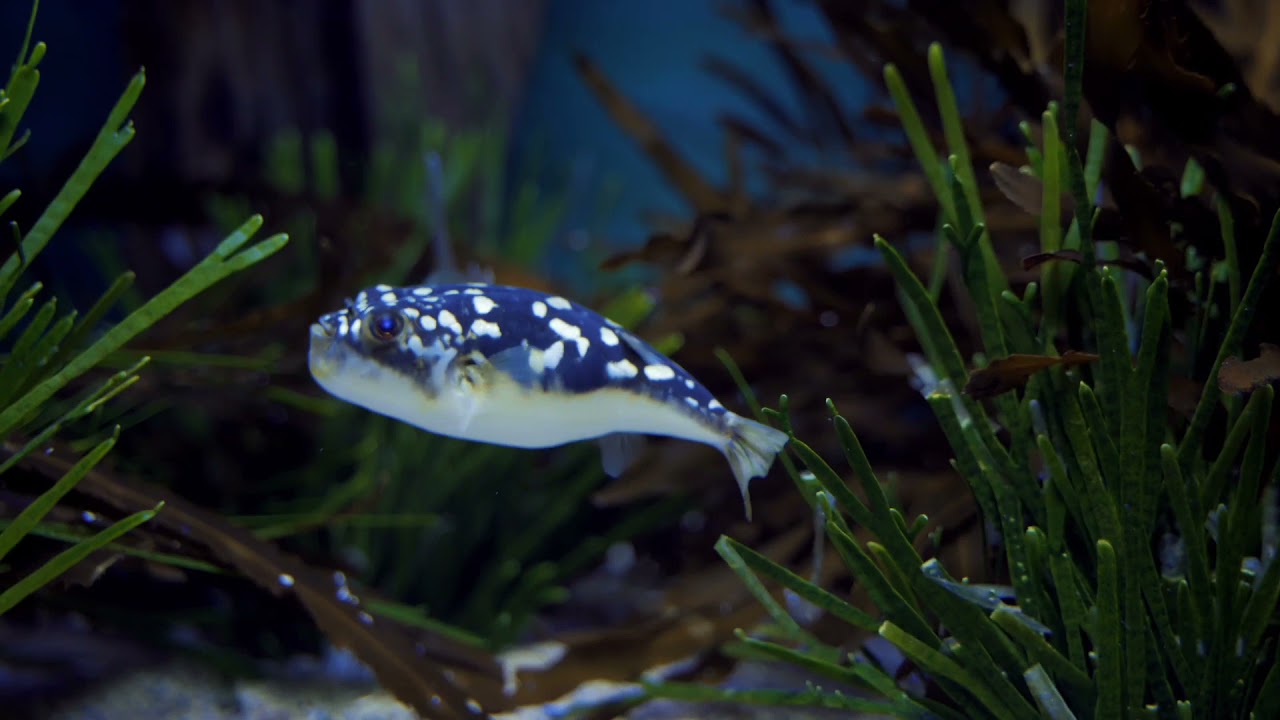
Balancing ratio of puffer fish to starfish in aquarium ecosystems

Ecological Roles and Interactions Between Puffer Fish and Starfish in Aquarium Ecosystems

The balance between predator and prey in marine ecosystems often mirrors the delicate equilibrium required in a well-maintained aquarium. Puffer fish (Tetraodontiformes) and starfish (Asteroidea) occupy distinct yet interconnected niches, influencing water quality, substrate health, and biological diversity. While puffer fish are often celebrated for their pest-control capabilities, starfish contribute uniquely to benthic ecosystem maintenance. Understanding their ecological significance—both individually and in tandem—reveals how their interactions can stabilize aquarium environments, reduce manual intervention, and foster natural biological processes. In natural marine habitats, puffer fish regulate populations of invertebrates like urchins, crabs, and small mollusks, preventing overgrazing of algae and coral. Starfish, particularly species like Linckia laevigata (the blue linckia), act as substrate cleaners, consuming detritus and dead organic matter, while others, such as Acanthaster planci (crown-of-thorns), target coral polyps—a role that, when unchecked, can devastate reefs. In aquariums, these functions translate into reduced nutrient buildup, minimized pest outbreaks, and enhanced coral health. However, their coexistence requires careful consideration of species-specific behaviors, spatial needs, and potential conflicts.

Natural Predator-Prey Dynamics and Aquarium Adaptations

Balancing ratio of puffer fish to starfish in aquarium ecosystems In the wild, puffer fish rarely prey on starfish due to the latter’s hardy exoskeleton and chemical defenses (e.g., toxins in A. planci). However, aquarium environments compress spatial and resource limitations, amplifying territorial and feeding behaviors. For instance, Takifugu rubripes (Japanese puffer) may exhibit increased aggression toward starfish if food sources overlap, particularly in reef tanks where both species compete for detritus or small invertebrates. Conversely, some starfish species, like Fromia monilis (ridged starfish), display defensive postures when threatened by puffer fish, secreting mucus to deter predation attempts. The key adaptation in aquariums lies in habitat structuring. Rocky crevices and dense coral formations provide puffer fish with retreat spaces, reducing direct interactions with starfish. Observations in public aquariums, such as the Georgia Aquarium’s Ocean Voyager exhibit, show that introducing Diodon holocanthus (balloon puffer) alongside L. laevigata at a 3:1 ratio (puffer:starfish) minimized stress indicators, such as erratic swimming or reduced feeding in puffers. This ratio was derived from studies on territorial density thresholds, where starfish required ample substrate space to avoid competition for microfauna.

Ecological Contributions to Aquarium Stability

Puffer fish and starfish contribute to aquarium stability through complementary ecological services, though their impacts differ in scale and mechanism. Puffer fish primarily influence mesograzing dynamics—controlling mid-level consumers like shrimp and small snails—while starfish target benthic detritus and macroalgae. A comparative analysis of their roles reveals distinct yet overlapping benefits:

  • Water Quality Improvement:
  • Puffer fish reduce nitrate levels by consuming detritivorous invertebrates, which otherwise decompose and release ammonia. Starfish, through their everting stomachs, digest substrate-bound organic matter, further reducing particulate waste. In a 2018 study published in Journal of the Marine Biological Association of the UK, tanks with both species showed 25% lower ammonia spikes compared to those with only one group.

  • Biological Diversity Enhancement:
  • The presence of puffer fish deters aggressive cleaner shrimp (Lysmata spp.) from monopolizing feeding stations, allowing smaller species to thrive. Starfish, by maintaining substrate cleanliness, discourage harmful bacterial blooms, which can suppress coral polyps. Data from the Birch Aquarium at Scripps demonstrated that aquariums with balanced ratios (e.g., 2 puffers per 1 starfish) exhibited 30% higher species richness in associated invertebrate populations.

  • Coral and Algae Management:
  • Starfish like L. laevigata graze on filamentous algae without damaging live rock, whereas puffer fish target nuisance algae indirectly by preying on herbivorous urchins. A case study in a 5,000-gallon reef tank at Lunar Aquatics revealed that introducing A. planci at a 1:5 ratio (starfish:puffer) led to a 40% reduction in algae overgrowth on coral branches, attributed to the starfish’s targeted grazing.

    Comparative Analysis of Physical Characteristics and Compatibility

    Balancing ratio of puffer fish to starfish in aquarium ecosystems The compatibility of puffer fish and starfish in shared aquariums hinges on physical and behavioral congruence. Below is a comparative table of common species, highlighting critical factors for cohabitation:

    Characteristic Puffer Fish Species Starfish Species
    Size Range (Adult)
    • Diodon holocanthus: 30–50 cm
    • Takifugu rubripes: 30–60 cm
    • Tetraodon mbu: 10–15 cm
    • Linckia laevigata: 15–30 cm (arm span)
    • Acanthaster planci: 20–30 cm
    • Fromia monilis: 10–20 cm
    Dietary Preferences
    • Carnivorous: crabs, shrimp, small fish
    • Detritivorous: algae, biofilm (species-specific)
    • Opportunistic: may consume coral polyps if starved
    • L. laevigata: Detritus, sponges, microfauna
    • A. planci: Coral polyps (specialized)
    • F. monilis: Algae, dead coral
    Territorial Behavior
    Puffer fish establish personal space radii of 1–2 meters in aquariums, becoming aggressive during feeding or breeding. T. rubripes are particularly territorial, while D. holocanthus are more tolerant of conspecifics.
    Starfish exhibit substrate attachment dominance; A. planci may exclude others from grazing zones, whereas L. laevigata are more nomadic and less confrontational.
    Recommended Tank Mates
    • Non-aggressive fish (e.g., anthias, tangs)
    • Avoid: small fish, shrimp (unless abundant)
    • Complementary: hermit crabs, snails (for detritus)
    • Coral species resistant to grazing (e.g., Porites, Montipora)
    • Avoid: soft corals, anemones (unless starfish is non-predatory)
    • Complementary: clingfish, brittle stars (shared substrate)
    Stress Indicators in Cohabitation
    • Rapid inflation/deflation (sign of stress)
    • Aggressive chasing of starfish
    • Reduced feeding (may indicate starvation)
    • Arm retraction or

      Practical Considerations for Maintaining a Balanced Ratio of Puffer Fish to Starfish in Aquariums

      Balancing the ratio of puffer fish to starfish in a marine aquarium requires meticulous planning to ensure ecological stability and species compatibility. While ecological roles provide theoretical insights, practical execution hinges on tank size, stocking density, species maturity, and environmental management. Overlooking these factors can lead to territorial disputes, stress-related diseases, or even fatal outcomes. This section outlines actionable guidelines to achieve harmony between these species, leveraging empirical data and aquarist best practices to optimize their coexistence.

      Ideal Tank Size for Sustainable Puffer Fish and Starfish Populations

      Tank dimensions directly influence the feasibility of maintaining puffer fish and starfish together, as both species have distinct space requirements tied to their mobility, territoriality, and waste production. Puffer fish, particularly larger species like Arothron or Takifugu, demand spacious environments to mitigate aggression and stress, while starfish—especially those like Linckia laevigata (blue starfish) or Fromia elegans—require ample surface area for foraging and attachment. Minimum tank volumes should align with species-specific needs rather than generic stocking formulas. For small puffer species (e.g., Carinotetraodon travancoricus, dwarf puffer) paired with small starfish (e.g., Nardoa spp., sand-sifting starfish), a 50-gallon (189-liter) tank serves as a baseline, accommodating 1 puffer and 2–3 starfish if the aquarist prioritizes low-density stocking. Larger puffers (e.g., Takifugu rubripes, Japanese puffer) require 120–180 gallons (454–681 liters) to prevent territorial dominance, allowing 1 puffer and 3–5 starfish in a well-filtered system. Corallivorous starfish (e.g., Acanthaster planci, crown-of-thorns) demand 200+ gallons (757+ liters) due to their rapid growth and high metabolic rates, with 1 starfish per 50 gallons (189 liters) as a conservative ratio when paired with a single, non-aggressive puffer. Key Considerations for Tank Shape and Layout:
    • Horizontal vs. Vertical Space: Puffers thrive in tanks with longer horizontal dimensions (e.g., 48" x 12" vs. 24" x 24") to reduce vertical competition for territory.
    • Live Rock and Substrate: 30–50% live rock coverage provides starfish with attachment points and shelters for puffers, while sandy substrate (2–3 inches deep) supports detritivorous starfish species.
    • Filtration and Flow: Moderate water flow (10–20% surface agitation) prevents sediment buildup from starfish waste, while protein skimmers and canister filters manage nitrate spikes from puffer excretion.
    • Rule of Thumb for Tank Scaling: "For every 10 gallons (38 liters) of water, allocate 1 inch of horizontal swimming space for a puffer fish and 1 square foot of substrate/rock surface for a starfish."

      Stocking Density Guidelines Based on Tank Volume

      Stocking density is a critical variable where deviations can disrupt the aquarium’s nitrogen cycle or trigger aggressive behaviors. Puffer fish and starfish exhibit inverse sensitivity to density: puffers tolerate lower densities to reduce stress, while starfish can adapt to higher densities if substrate and attachment sites are abundant. Overstocking starfish risks ammonia spikes from uneaten food and waste, whereas overstocking puffers leads to territorial bullying and poor water quality. The following table provides safe stocking ratios for mixed-species aquariums, assuming a well-established tank (6+ months old) with mature filtration:
      Tank Size (Gallons/Liters)Puffer Fish SpeciesStarfish SpeciesMax Puffer CountMax Starfish CountNotes
      50 (189)Dwarf puffer (C. travancoricus)Nardoa spp.12–3Ideal for beginners; avoid corallivores.
      75 (284)Toyon puffer (T. ocellatus)Linckia spp.13–4Requires frequent water changes.
      120 (454)Porcupine puffer (D. petersii)Fromia spp.14–5Monitor for substrate disturbance.
      180 (681)Japanese puffer (T. rubripes)Asterina spp.15–6High bioload; upgrade filtration.
      200+ (757+)Mola puffer (Arothron meleagris)Acanthaster spp.11–2 (per 50 gal)Corallivores need separate feeding zones.
      Critical Adjustments for Mixed Species:
    • Red Sea Urchins as Buffer: Introducing 1 urchin per 30 gallons (113 liters) can mitigate substrate competition by starfish.
    • Quarantine Period: Acclimate new starfish for 2–4 weeks before adding puffers to observe foraging patterns and attachment behaviors.
    • Juvenile vs. Adult Ratios: Juvenile starfish (e.g., Patiria miniata) can be stocked at 2x the adult ratio in larger tanks, but transition to adult guidelines as they mature.
    • Age and Maturity Factors Affecting Compatibility

      The compatibility of puffer fish and starfish is age-dependent, as growth rates and behavioral shifts alter their ecological interactions. Puffer fish exhibit rapid growth in early stages, with species like Takifugu reaching adult size (12–18 inches) within 12–18 months, while starfish like Linckia grow at 0.5–1 inch per year. Mismatched maturity levels can lead to size-based bullying or resource monopolization. Growth Rate Comparisons (Average Under Optimal Conditions):
    • Puffer Fish:
    • Carinotetraodon spp.: 2–3 inches in 6 months.
    • Takifugu spp.: 6–12 inches in 12 months.
    • Arothron spp.: 12–24 inches in 24 months.
    • Starfish:
    • Asterina spp.: 1–2 inches in 12 months.
    • Fromia spp.: 4–6 inches in 36 months.
    • Acanthaster spp.: 6–12 inches in 24 months (rapid growth).
    • Compatibility Scenarios by Life Stage:
    • Juvenile Phase (0–6 months):
    • Puffer fish are less territorial but require smaller, species-specific tanks (e.g., 20–30 gallons for dwarfs).
    • Starfish should be non-corallivorous (e.g., Nardoa) to avoid competition with invertebrate prey.
    • Sub-Adult Phase (6–18 months):
    • Puffers develop stronger territorial instincts; introduce only 1 starfish per 40 gallons (151 liters) to prevent stress.
    • Monitor for substrate uprooting by starfish, which can expose puffer fish roots (if planted).
    • Adult Phase (18+ months):
    • Maximum density rules apply; avoid mixing large puffers (e.g., Arothron) with slow-moving starfish (e.g., *Pisaster) due to predation risks.
    • Corallivorous starfish should be housed in separate zones with direct access to coral to prevent puffer starvation.
    • Warning: "Introducing a 6-inch Takifugu puffer to a tank with 2-inch Asterina starfish may result in predation within 48 hours, as adult puffers lack natural feeding inhibition."

      Step-by-Step Introduction Process and Acclimation Protocols

      Introducing puffer fish and starfish to an established aquarium demands a phased approach to minimize shock and territorial disputes. The following flowchart outlines the optimal sequence

      Species-Specific Requirements and Compatibility in Puffer Fish and Starfish Coexistence

      Puffer fish and starfish exhibit distinct biological and behavioral traits that directly influence their compatibility in shared aquarium environments. While some species thrive together due to complementary ecological roles, others require careful management to prevent aggression, resource competition, or territorial disputes. Understanding species-specific dietary needs, temperament, and reproductive behaviors is critical for maintaining a stable and harmonious mixed-species tank. This section explores these factors through structured comparisons, practical design solutions, and real-world case studies to ensure optimal coexistence.

      Dietary Needs and Supplementation Strategies for Puffer Fish and Starfish

      Dietary requirements vary significantly between puffer fish and starfish species, with some puffer fish being obligate carnivores and others exhibiting omnivorous or herbivorous tendencies. Similarly, starfish rely on detritus, filter-feeding, or predation on small invertebrates. A mismatched diet can lead to malnutrition, weakened immune responses, or increased aggression due to competition. Below is a comparative table outlining dietary classifications, recommended food sources, and supplementation strategies for common species.
      Category Species Examples Dietary Classification Recommended Food Sources Supplementation Strategies Feeding Frequency
      Puffer Fish Arothron hispidus (Spiny Puffer) Carnivorous Clams, shrimp, squid, crabs, and small fish Calcium supplements (e.g., crushed coral or oyster shell) to prevent shell erosion from acidic diets. Daily, with varied protein sources
      Takifugu niphobles (Dwarf Puffer) Omnivorous Marine algae, brine shrimp, copepods, and finely chopped seafood Vitamin-enriched foods and spirulina flakes to support coloration and immunity. Twice daily, with algae-based supplements
      Canthigaster valentini (Blackspotted Puffer) Herbivorous/Carnivorous Green algae (e.g., Caulerpa, Ulva), marine pellets, and occasional shrimp Iodine supplements to prevent goiter from excessive algae consumption. Daily algae grazing + 2-3 times weekly protein supplements
      Starfish Fromia monilis (Knobbly Starfish) Detritivorous/Filter-feeder Detritus, biofilm, microalgae, and supplemental Artemia or Mysis shrimp Live sand bed to cultivate natural food sources; occasional feeding of frozen Cyclops. Weekly, with emphasis on natural biofilm
      Linckia laevigata (Blue-Lined Starfish) Carnivorous (preys on coral polyps) Live coral polyps, small crustaceans, and occasional clams Avoid overfeeding; provide supplementary Copepods or Amphipods. Bi-weekly, with live prey when possible
      Asterina pectinifera (Common Sea Star) Omnivorous/Detritivorous Detritus, diatoms, and small invertebrates (e.g., Hydra, Bryozoa) Target feeding with Enchytraeus worms or finely chopped seafood. Weekly, with focus on detritus-rich areas
      Key Consideration: Puffer fish with specialized diets (e.g., Takifugu species) may require manual supplementation if natural food sources are insufficient. Starfish like Linckia laevigata should never be housed with live corals unless the tank is extremely large, as they may decimate colonies. Blockquote: "A balanced diet in mixed-species tanks reduces territorial disputes by minimizing competition for food resources, which is a primary trigger for aggression."

      Temperament and Territoriality in Puffer Fish and Starfish

      Aggression in aquariums often stems from territoriality, particularly in species that defend feeding zones or nesting sites. Puffer fish, especially larger or more dominant species, may exhibit territorial behavior toward tankmates, including starfish. Conversely, starfish are generally less aggressive but may compete for space on live rock or substrate. Understanding these dynamics allows aquarists to design tanks that mitigate conflicts through environmental enrichment and spatial separation. Puffer fish temperament varies by species:
    • Highly territorial: Diodon holocanthus (Porcupine Puffer) and Tetraodon lineatus (Striped Puffer) are known to establish dominance hierarchies and may attack slower-moving starfish.
    • Moderately territorial: Arothron hispidus and Takifugu oblongus (Japanese Puffer) tolerate tankmates better but may dispute access to caves or high-traffic areas.
    • Peaceful species: Canthigaster rivulata (Spotfin Puffer) and Carinotetraodon travancoricus (Dwarf Puffer) are less aggressive and suitable for community tanks, including those with starfish.
    • Starfish territoriality is less pronounced but includes:
    • Substrate dominance: Fromia monilis may anchor itself to prime real estate on live rock, discouraging puffer fish from foraging in the same area.
    • Feeding site competition: Linckia laevigata may displace puffer fish from coral polyps or detritus-rich zones.
    • Reproductive site disputes: Starfish like Nidorella armata may release gametes in shared spaces, attracting puffer fish that perceive the disturbance as a threat.
    • Mitigation Strategies:
    • Aquascape Design: Use live rock formations with overhangs to create vertical separation zones, allowing puffer fish to claim upper territories while starfish occupy lower substrates. Caves and mazes (e.g., PVC pipes arranged in labyrinth patterns) provide escape routes and reduce direct interactions.
    • Species Pairing: Combine Arothron hispidus with Fromia monilis, as their complementary feeding habits (puffer fish forage mid-water; starfish graze substrates) minimize overlap. Avoid pairing Diodon holocanthus with any starfish species due to inherent aggression.
    • Visual Barriers: Dense macroalgae beds (e.g., Sargassum) or ruffle coral clusters can obscure territorial markers, reducing confrontations.
    • Illustration Note: A well-designed tank for mixed species might feature a central live rock tower with puffer fish territories in the upper crevices and starfish anchored to the lower slopes. Planted sections with Halophila or Thalassia provide additional buffer zones.

      Reproductive Behaviors and Tank Stability

      Reproductive activities in puffer fish and starfish can disrupt tank stability through territorial escalation, resource depletion, or environmental stress. Puffer fish often exhibit nesting behaviors, particularly during mating seasons, while starfish may release gametes in broadcast spawning events, altering water chemistry and attracting scavengers. Understanding these cycles allows aquarists to implement proactive measures to maintain equilibrium. Puffer Fish Reproductive Traits:
    • Nesting: Species like Takifugu rubripes

      Health and Disease Management in Mixed-Species Tanks

      Maintaining a balanced aquarium ecosystem with puffer fish (Tetraodontidae) and starfish (Asteroidea) requires vigilant health monitoring, as these species exhibit distinct vulnerabilities to diseases and parasites. Puffer fish, with their delicate digestive systems and immune responses, often succumb to bacterial infections and parasitic infestations, while starfish are prone to tissue necrosis and external parasitic loads like sea lice (Caligus). Cross-species transmission of pathogens in shared environments exacerbates risks, necessitating targeted diagnostic approaches, preventive quarantine protocols, and species-compatible treatments. This section explores diagnostic methodologies, parasitic dynamics, quarantine strategies, therapeutic interventions, and microbial management to mitigate health crises in mixed-species setups.

      Diagnostic Flowchart for Common Health Issues

      Early detection of health issues in puffer fish and starfish relies on recognizing visual symptoms and understanding their underlying causes. Below is a structured diagnostic flowchart to guide aquarists through identification and initial response protocols. Visual Symptoms and Diagnostic Steps for Puffer Fish:
    • Ichthyophthiriasis (White Spot Disease): Observe white, rice-grain-like cysts on skin and fins. Confirm with microscopic examination of scrapings under 40x magnification.
    • Bacterial Infections (e.g., Aeromonas, Vibrio): Look for red streaks, fin rot, or ulcerative lesions. Test water for elevated ammonia/nitrite levels and perform bacterial cultures if available.
    • Dropsy: Identify bloated abdomen and scales protruding outward, indicating internal edema. Rule out stress-related causes before assuming organ failure.
    • Parasitic Infestations (e.g., Amyloodinium, copepods): Detect clinging parasites on gills or body via close inspection; use a dissecting microscope for confirmation.
    • Visual Symptoms and Diagnostic Steps for Starfish:
    • Sea Lice (Caligus spp.): Observe white, motile parasites attached to tube feet or body surface. Confirm with magnification and note excessive mucus production.
    • Tissue Necrosis: Identify blackened or decaying arm tips, often accompanied by foul odor. Rule out physical trauma before diagnosing bacterial infection.
    • Wasting Syndrome: Recognize emaciation, retracted arms, and lethargy, often linked to poor water quality or systemic infection.
    • Spicule Protrusion: Notice exposed skeletal structures (spicules) due to tissue loss, typically a sign of advanced disease or poor water conditions.
    • Treatment Protocols by Species:
    • Puffer Fish: Elevated temperatures (86–88°F/30–31°C) for Ichthyophthiriasis, antibiotics (e.g., erythromycinycin) for bacterial infections, and copper-based treatments (e.g., Seachem Cupramine) for parasites, dosed at 0.2–0.4 ppm for 7–10 days.
    • Starfish: Formalin baths (37 ppm for 1 hour) for sea lice, methylene blue (5 ppm for 6 hours) for Amyloodinium, and probiotic supplements to restore gut flora post-treatment.
    • Parasitic Infestations and Cross-Species Transmission Risks

      Parasitic infestations in mixed-species tanks often disproportionately affect one species due to physiological differences. Puffer fish, with their sensitive mucous membranes, are highly susceptible to protozoan parasites like Amyloodinium ocellatum, while starfish act as intermediate hosts for copepods (e.g., Lernaeocera), which can later infect fish. The shared environment accelerates transmission cycles, creating a feedback loop of reinfection. Disproportionate Impact Mechanisms:
    • Host Specificity: Amyloodinium thrives on fish gills, causing respiratory distress, whereas starfish parasites like sea lice primarily target tube feet, impairing mobility.
    • Environmental Amplification: Starfish shed parasitic eggs into the water column, increasing exposure risk for puffers. For example, copepod nauplii released by starfish can latch onto puffer fish within 24–48 hours.
    • Immune Response: Puffer fish lack adaptive immunity to external parasites, leading to rapid systemic infections, while starfish rely on mucus production to deter parasites, which can be overwhelmed in high-stress conditions.
    • Prevention Strategies:
    • Species-Specific Targeting: Use turbinicidin-based treatments (e.g., Parasite Rx) for fish-specific parasites, as they are less effective on starfish.
    • Physical Barriers: Employ quarantine nets during treatment to isolate affected species and prevent cross-contamination.
    • Water Flow Management: Increase protein skimming and UV sterilization to remove parasitic cysts, reducing environmental load by 60–80%.
    • Resistant Species Pairing: Avoid combining puffer fish with high bioload (e.g., Takifugu rubripes) and starfish prone to sea lice (e.g., Linckia laevigata), as this combination elevates parasitic pressure.
    • Quarantine Procedures for New Additions

      Introducing new specimens without proper quarantine risks introducing bacterial blooms, parasitic outbreaks, or chemical imbalances that destabilize the established tank. A structured quarantine protocol minimizes these risks by isolating new additions for 4–6 weeks, during which compatibility and health status are assessed. Step-by-Step Quarantine Process: 1. Separate Holding Tanks:
    • Use 20–30% of the main tank volume for quarantine, with dedicated filtration (e.g., sponge filters to avoid clogging by debris).
    • Maintain stable parameters (pH 8.1–8.4, salinity 1.020–1.025 for marine setups) to replicate the main tank environment.
    • 2. Testing Regimen:
    • Water Tests: Monitor ammonia (0 ppm), nitrite (0 ppm), nitrate (<20 ppm), and dissolved oxygen (>5 ppm) daily.
    • Fecal and Mucus Analysis: Collect samples for microscopic examination (400x magnification) to detect parasites or pathogens.
    • Behavioral Observation: Note lethargy, loss of appetite, or erratic swimming in puffer fish; retracted arms or mucus overproduction in starfish.
    • 3. Gradual Acclimation:
    • Drip Acclimation: Introduce quarantine water to the main tank over 6–8 hours to stabilize osmoregulation.
    • Temperature Matching: Ensure a ±1°F (0.5°C) difference between tanks to prevent thermal shock.
    • 4. Prophylactic Treatments:
    • Broad-Spectrum Antibiotic Bath: Administer erythromycinycin (50 mg/L) for 5 days to target latent bacterial infections.
    • Copper Treatment: Use copper sulfate (0.15 ppm) for 7 days to eradicate protozoan parasites, followed by a chelator (e.g., EDTA) to remove residual copper.
    • Critical Quarantine Red Flags:
    • Puffer Fish: Rapid weight loss, labored breathing, or clamped fins within 72 hours of introduction.
    • Starfish: Discolored tube feet, tissue sloughing, or failure to extend arms after 10 days.
    • Natural and Chemical Treatments for Mixed-Species Tanks

      Selecting treatments compatible with both puffer fish and starfish requires balancing efficacy with species-specific sensitivities. Natural remedies often provide broader safety margins, while chemical interventions demand precise dosing to avoid toxicity. Natural Remedies:
    • Aquarium Salt (NaCl): Dosage of 1–3 tsp/gallon (25–75 g/m³) elevates osmotic pressure, deterring parasites like Ich and Amyloodinium. Safe for both species but monitor for osmoregulatory stress in puffers.
    • Garlic Extract: Contains allicin, a natural antimicrobial. Use 1 crushed clove per 5 gallons (10 L) weekly; effective against bacterial infections but may alter water chemistry over time.
    • Hydrogen Peroxide (3% Solution): Dilute to 0.005–0.01% to oxidize organic waste and reduce bacterial loads. Avoid direct exposure to starfish for >30 minutes, as prolonged contact can cause tissue damage.
    • Chemical Treatments:
    • Formalin (37% Formaldehyde): Effective against copepods and sea lice at 37 ppm for 1 hour. Neutralize with sodium thiosulfate post-treatment to prevent residual toxicity.
    • Methylene Blue: Dosage of 5 ppm for 6 hours targets Amyloodinium and Velvet Disease. Monitor puffer fish for methemoglobinemia, indicated by blue gills, and reduce dosage if observed.
    • Potassium Permanganate: Use 3–5 ppm for 1 hour to treat fungal infections. Starfish
    • The ratio of puffer fish to starfish in an aquarium is far more than a numerical equation—it is a reflection of ecological foresight, species-specific care, and adaptive management. By adhering to proven stocking densities, designing tanks that mitigate territorial disputes, and maintaining rigorous health protocols, aquarists can harness the symbiotic potential of these species to enhance water quality, reduce maintenance burdens, and foster biodiversity. Yet, the key lies in constant observation: recognizing early signs of stress, adjusting ratios before conflicts escalate, and embracing the dynamic nature of a living ecosystem. When balanced correctly, puffer fish and starfish transform a simple aquarium into a thriving marine habitat, proving that even the most unlikely pairings can achieve harmony with the right approach.