The output of a solar panel powers a small pump the pump operates a garden water
Table of Contents
- Understanding the Basics of Solar Panel Output for Low-Voltage Applications
- Fundamental Principles of Solar Panel Voltage, Current, and Power
- Calculating Power Output and Its Relevance for Small-Scale Applications
- Comparison of DC Solar Panel Output and AC Grid Power
- Influence of Solar Panel Specifications on Low-Power Device Compatibility
- Environmental Factors Affecting Solar Panel Performance
- Mechanics and Electrical Requirements of Solar-Powered Water Pumps for Garden Fountains
- Electrical Requirements of Small Water Pumps and Compatibility with 10V, 0.25A Systems
- Adapting DC Pumps for Low-Voltage Solar Systems: Voltage Regulation and Direct Compatibility
- Comparison of Small Water Pump Types for Solar-Powered Garden Fountains
- Step-by-Step Guide to Selecting a Pump for a Solar Panel System
- Designing a Functional Solar-Powered Garden Fountain System
- Component Selection and Wiring Diagram for a 10V Solar-Powered Fountain
- Step-by-Step Assembly of a Basic Solar Fountain System
- Creative Garden Fountain Designs for 10V Solar Systems
A small solar panel delivering just 10 volts and 0.25 amps may seem modest, yet it holds the power to transform a garden into a serene oasis. This low-voltage system isn’t just about basic functionality—it represents a sustainable marriage between renewable energy and decorative water features, proving that efficiency doesn’t require complexity. For homeowners and DIY enthusiasts, understanding how such a system operates can unlock creative possibilities while keeping costs and environmental impact minimal.
Beyond its simplicity, this setup challenges common assumptions about solar energy’s limitations. Many assume higher voltage equates to better performance, but in low-power applications like garden fountains, the right balance of voltage and current ensures reliability without unnecessary waste. The interplay between solar panel specifications, pump mechanics, and environmental factors determines whether the fountain will run smoothly or falter under real-world conditions. This guide explores the technical and practical aspects of harnessing a 10V, 0.25A solar panel to power a water feature, demystifying the process for those eager to blend innovation with aesthetics.
Understanding the Basics of Solar Panel Output for Low-Voltage Applications
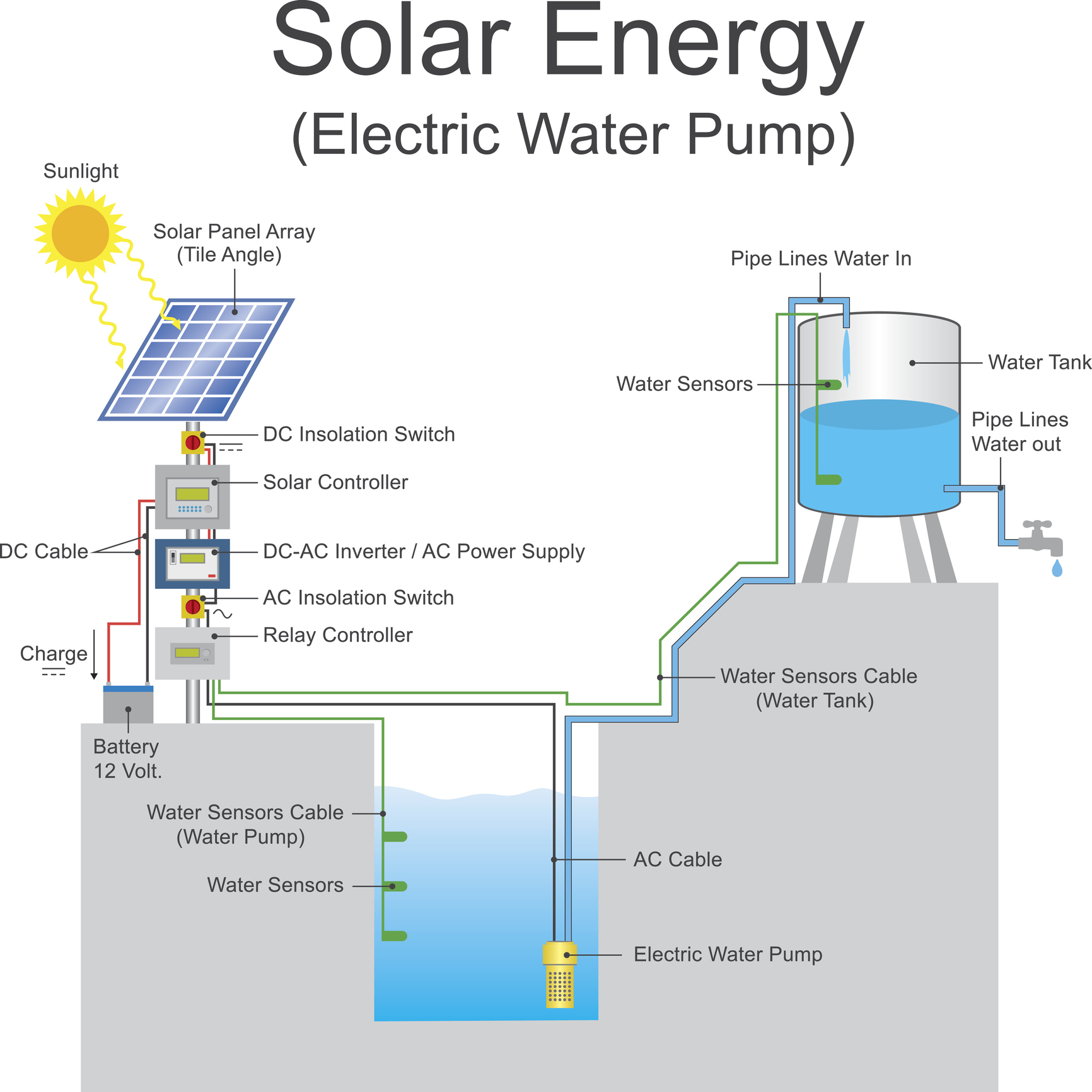
Solar panels convert sunlight into electrical energy through photovoltaic (PV) cells, producing direct current (DC) power that can directly power low-voltage devices like small pumps for garden water fountains. The efficiency and reliability of this setup depend on a clear understanding of voltage (V), current (A), and their combined effect on power output (P) in watts (W). For a 10V solar panel supplying 0.25A to a pump, the power output is modest but sufficient for lightweight, low-power applications. This section explores the fundamental principles governing solar panel performance, the calculations behind power output, and how environmental and technical factors influence real-world functionality.
Fundamental Principles of Solar Panel Voltage, Current, and Power
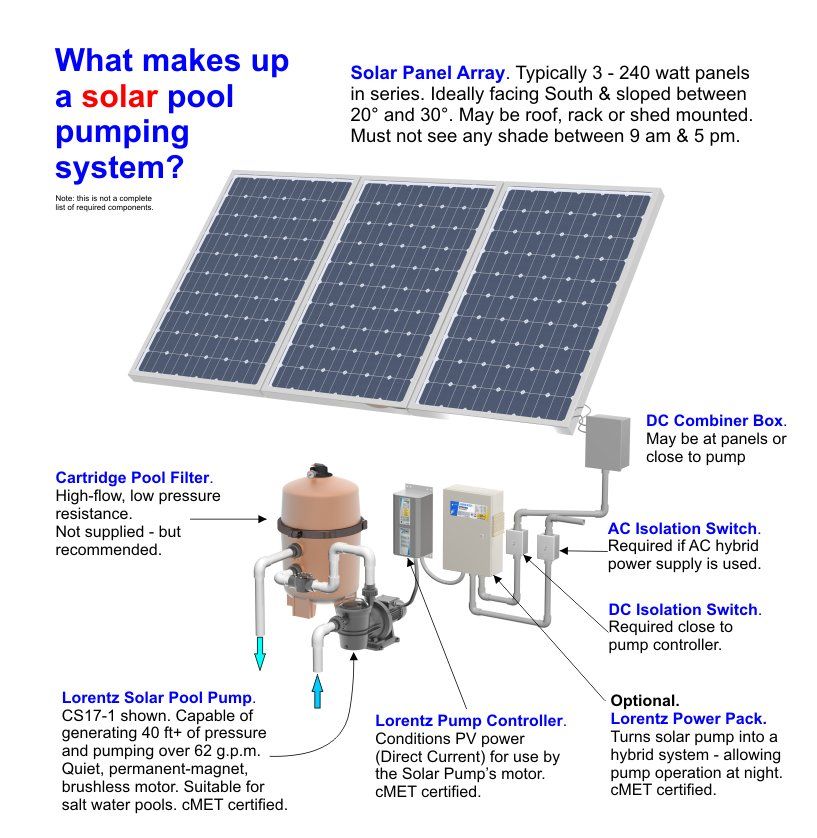 Solar panels generate electricity through the photovoltaic effect, where photons from sunlight displace electrons in semiconductor materials, creating a voltage difference. Voltage (measured in volts, V) represents the electrical potential difference, while current (measured in amperes, A) indicates the flow rate of electrons. Power (P), the usable energy output, is calculated using the formula P = V × I. In the case of a 10V solar panel supplying 0.25A, the power output is 2.5W (10V × 0.25A), which is ideal for small-scale applications like garden fountains. This low-power output ensures minimal energy waste while maintaining operational simplicity, avoiding the complexity of higher-voltage systems that require additional components like inverters or charge controllers.
The relationship between voltage and current in solar panels is nonlinear and influenced by the panel’s design, material composition, and load conditions. For example, under open-circuit conditions (no load connected), a solar panel may produce its maximum voltage, often labeled as Voc (open-circuit voltage). When fully loaded (short-circuit conditions), it produces its maximum current, labeled as Isc (short-circuit current). The maximum power point (MPP) occurs at an intermediate voltage and current where the product Vmp × Imp yields the highest power output. Understanding these parameters is critical for selecting the right solar panel for specific applications, especially when dealing with low-power devices.
Solar panels generate electricity through the photovoltaic effect, where photons from sunlight displace electrons in semiconductor materials, creating a voltage difference. Voltage (measured in volts, V) represents the electrical potential difference, while current (measured in amperes, A) indicates the flow rate of electrons. Power (P), the usable energy output, is calculated using the formula P = V × I. In the case of a 10V solar panel supplying 0.25A, the power output is 2.5W (10V × 0.25A), which is ideal for small-scale applications like garden fountains. This low-power output ensures minimal energy waste while maintaining operational simplicity, avoiding the complexity of higher-voltage systems that require additional components like inverters or charge controllers.
The relationship between voltage and current in solar panels is nonlinear and influenced by the panel’s design, material composition, and load conditions. For example, under open-circuit conditions (no load connected), a solar panel may produce its maximum voltage, often labeled as Voc (open-circuit voltage). When fully loaded (short-circuit conditions), it produces its maximum current, labeled as Isc (short-circuit current). The maximum power point (MPP) occurs at an intermediate voltage and current where the product Vmp × Imp yields the highest power output. Understanding these parameters is critical for selecting the right solar panel for specific applications, especially when dealing with low-power devices.
Calculating Power Output and Its Relevance for Small-Scale Applications
The power output of a solar panel is determined by multiplying its voltage by its current under operating conditions. For the 10V, 0.25A solar panel powering a garden fountain pump, the calculation is straightforward: P = 10V × 0.25A = 2.5W. This modest power output is sufficient for driving small DC pumps, which typically require between 1W to 5W depending on flow rate and water pressure. The advantage of such low-power systems lies in their simplicity—no need for batteries, inverters, or complex wiring. Instead, the solar panel directly powers the pump during daylight hours, making the setup cost-effective and easy to install. For applications requiring higher power, such as larger pumps or multiple water features, scaling up would involve either increasing the number of solar panels (in series for higher voltage or parallel for higher current) or using more efficient panels with higher wattage ratings. However, for a single garden fountain, a 2.5W system strikes a balance between performance and practicality. The key is ensuring the pump’s voltage and current requirements align with the solar panel’s output to avoid inefficiencies or damage to the components.
Comparison of DC Solar Panel Output and AC Grid Power
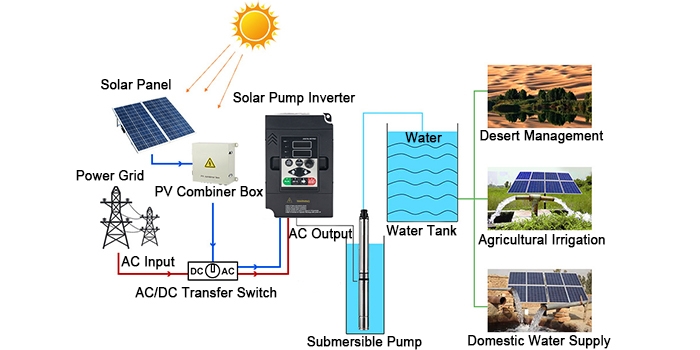 The electrical output of solar panels differs fundamentally from traditional AC grid power in terms of voltage levels, current characteristics, and application suitability. Below is a comparison table highlighting these differences, along with real-world examples for clarity:
| Parameter | DC Solar Panel Output (Example: 10V, 0.25A) | AC Grid Power (Example: 120V/230V, 50Hz/60Hz) | Real-World Application |
|---|---|---|---|
| Voltage Range | Typically 3V–24V per panel; scalable via series/parallel connections. | Standardized at 120V (US) or 230V (Europe/Asia); requires transformers for adjustments. | Low-voltage DC: Small pumps, LED lights, solar chargers. AC: Household appliances, industrial machinery. |
| Current Characteristics | Current varies with sunlight intensity; no fixed frequency. | Current is sinusoidal with fixed frequency (50Hz/60Hz); regulated by grid. | DC: Direct compatibility with DC devices; AC requires inverters for conversion. |
| Power Output | Ranges from fractions of a watt to hundreds of watts per panel. | Delivered in kilowatts (kW) or megawatts (MW); scalable via substations. | DC: Off-grid lighting, water pumps, RV systems. AC: Powering cities, factories, and homes. |
| Suitability for Low-Power Devices | Ideal for direct-drive applications with no energy loss from conversion. | Requires inverters for DC loads, introducing energy losses (typically 10–20%). | DC: Garden fountains, solar-powered sensors. AC: High-power tools, electric vehicles (with chargers). |
The table underscores why DC solar panels are preferable for low-power applications like garden fountains. They eliminate the need for energy conversion, reducing system complexity and improving efficiency. In contrast, AC grid power is designed for high-power, high-voltage distribution and is less practical for small, decentralized applications without additional equipment.
Influence of Solar Panel Specifications on Low-Power Device Compatibility
Solar panel specifications such as open-circuit voltage (Voc), short-circuit current (Isc), and maximum power point (MPP) directly impact their suitability for low-power devices. For instance, a 10V solar panel designed for a garden fountain must operate efficiently within the pump’s voltage and current tolerances. If the pump requires exactly 10V to function optimally, the panel’s Vmp (maximum power voltage) should closely match this value to avoid underperformance. Key specifications to consider include:
For low-power devices, panels with fixed voltage outputs (non-MPP-tracking) are often sufficient and more cost-effective. The critical factor is ensuring the panel’s nominal operating voltage (Vmp) aligns with the device’s requirements to avoid excessive heat generation or inefficiency. For example, a pump rated for 9–12V would work well with a 10V panel, whereas a 5V panel would be underpowered, and a 24V panel would require a voltage regulator, adding complexity.
Environmental Factors Affecting Solar Panel Performance
The actual voltage and current output of a solar panel fluctuate due to environmental conditions, which can significantly impact the performance of connected devices like garden fountain pumps. Key factors include:
Mechanics and Electrical Requirements of Solar-Powered Water Pumps for Garden Fountains
Solar-powered garden fountains offer an elegant and sustainable solution for enhancing outdoor spaces while minimizing energy consumption. At the heart of these systems lies the small DC water pump, which must efficiently convert solar panel output (such as 10V at 0.25A) into mechanical energy to circulate water. The compatibility between the pump’s electrical specifications and the solar panel’s capabilities determines system reliability, longevity, and performance. Understanding the voltage requirements, current draw, efficiency losses, and pump mechanics ensures a properly sized and optimized setup. This section explores how low-voltage solar systems interact with different pump types, the role of voltage regulation, and the critical factors for selecting a pump that balances power efficiency with flow dynamics for garden fountains.
Electrical Requirements of Small Water Pumps and Compatibility with 10V, 0.25A Systems
Small water pumps designed for decorative fountains or low-head applications typically operate within a voltage range of 5V to 24V DC, with most garden fountain pumps favoring 12V systems due to their balance of power and efficiency. However, pumps can be adapted to function at lower voltages like 10V, provided their current draw remains within safe limits and the system accounts for efficiency losses. A 10V solar panel supplying 0.25A (2.5W) is sufficient for pumps with low flow requirements (e.g., 100–500 liters per hour) and minimal head pressure (under 2 meters). The power equation for pumps, P = V × I, reveals that a 10V system at 0.25A delivers 2.5 watts of power, which is adequate for diaphragm or peristaltic pumps but may require careful selection for centrifugal pumps. Efficiency losses in the system—such as wiring resistance, voltage drop across controllers, and pump motor inefficiencies—can reduce effective power delivery. For example, a 10% voltage drop in wiring might lower the pump’s operational voltage to 9V, necessitating a pump rated for 9–12V to maintain performance.
Key Consideration for Low-Voltage Systems: A pump’s voltage tolerance range (e.g., 9–12V) must exceed the solar panel’s output to ensure stable operation under real-world conditions. Current draw should not exceed 0.25A to prevent overheating or reduced solar panel lifespan.
Adapting DC Pumps for Low-Voltage Solar Systems: Voltage Regulation and Direct Compatibility
Most 12V DC pumps can operate at 10V without modification, though performance may vary. The impeller design and motor type (brushed vs. brushless) influence how well a pump tolerates voltage fluctuations. Brushed DC motors, common in low-cost pumps, may experience reduced torque at lower voltages, while brushless DC motors (used in higher-end models) maintain efficiency more consistently across voltage ranges. For systems where exact voltage matching is critical, a voltage regulator or buck converter can adjust the solar panel’s output to the pump’s optimal voltage. However, adding regulators introduces additional power loss (typically 5–15%), reducing the system’s overall efficiency. In a 10V, 0.25A setup, a regulator might drop the output to 9V, increasing current draw slightly (e.g., to 0.3A) to compensate. This must be accounted for in the solar panel’s wattage rating to avoid overloading.
Practical Example: A 12V pump with a 0.2A current draw at 12V would require ~2.4W. At 10V, the same pump might draw 0.24A (2.4W) if efficiency remains constant. However, if the pump’s torque drops by 20% at 10V, flow rate may decrease, necessitating a pump with a wider voltage tolerance.
Comparison of Small Water Pump Types for Solar-Powered Garden Fountains
Not all pumps are equally suited for solar-powered garden fountains. The type of pump affects power consumption, flow rate, head pressure capability, and longevity. Below are the three most common types, evaluated for solar compatibility:
- Centrifugal Pumps
- Mechanism: Uses an impeller to create centrifugal force, pushing water outward.
- Power Requirements: Higher voltage (typically 12V+) and current draw; less efficient at low voltages.
- Suitability: Best for high-flow, low-head applications (e.g., large fountains with minimal elevation). Requires higher wattage (3W+) and may struggle with 10V systems unless specifically designed for low voltage.
- Example Use Case: Solar-powered fountains with flow rates > 1000 L/h and head < 1.5 meters.
- Diaphragm Pumps
- Mechanism: Uses a flexible diaphragm to draw and expel water, creating pulsating flow.
- Power Requirements: Low voltage (5–12V), low current draw (<0.2A), and high efficiency at low power.
- Suitability: Ideal for small, decorative fountains with steady or intermittent flow. Handles air in the system well, reducing maintenance.
- Example Use Case: Solar fountains with flow rates 100–500 L/h and head < 2 meters.
- Peristaltic Pumps
- Mechanism: Uses rotating rollers to compress a flexible tube, pushing water through.
- Power Requirements: Very low voltage (3–12V), ultra-low current (<0.1A), and precise flow control.
- Suitability: Best for low-flow, high-precision applications (e.g., small trickling fountains or aquatic therapy systems). Less common in garden fountains due to higher cost and lower flow rates.
- Example Use Case: Miniature solar fountains with flow rates < 200 L/h.
Step-by-Step Guide to Selecting a Pump for a Solar Panel System
Choosing the right pump involves analyzing four critical parameters: voltage compatibility, current draw, flow rate, and head pressure. Below is a structured approach to ensure the pump matches the solar panel’s output while meeting the fountain’s hydraulic needs.- Determine Head Pressure Requirements Head pressure is the vertical height water must be pumped, measured in meters. A 1-meter head requires approximately 0.1 bar of pressure.
- Example: If the fountain’s highest water feature is 1.5 meters above the pump, the system must overcome 1.5 meters of head.
- Calculation: Use the formula:
- Calculate Required Flow Rate Flow rate is measured in liters per minute (L/min) or liters per hour (L/h). For garden fountains:
- Trickling fountains: 50–200 L/h
- Small decorative fountains: 200–1000 L/h
- Larger fountains: 1000–3000 L/h
- Example: A fountain with three small jets might require 300 L/h (5 L/min).
- Match Pump Voltage and Current to Solar Output
- Ensure the pump’s minimum operating voltage ≤ 10V (e.g., 6–12V pumps work at 10V).
- Verify the current draw at 10V does not exceed 0.25A. Check manufacturer specs for voltage-current curves.
- Example: A pump rated for 12V, 0.2A may draw 0.25A at
- Positioned to receive maximum sunlight exposure, ideally angled toward the sun’s path (e.g., 30° tilt in temperate climates).
- Connected via waterproof MC4 connectors to the charge controller or directly to the pump (if no battery is used). 2. Charge Controller (Optional for Battery-Less Systems)
- In battery-less setups, a PWM charge controller (or a blocking diode) prevents reverse current flow from the pump to the panel during low-light conditions.
- For battery storage, a 12V lead-acid or lithium battery (with a 10V cutoff) ensures operation during nighttime or cloudy days. The controller regulates voltage to protect the battery from overcharging. 3. Pump (DC, 10V, 0.25A)
- A 12V DC submersible or external pump (rated for 10V) with a flow rate of 0.5–1.5 GPH (gallons per hour) is ideal for small fountains.
- Wired in series after the charge controller/diode, with waterproof silicone-coated cables to prevent corrosion. 4. Protective Components
- Fuse (0.5A–1A): Installed near the solar panel to protect against short circuits.
- Blocking Diode (1N4007): Used in battery-less setups to stop current backflow when sunlight is insufficient.
- Waterproof Junction Box: Houses connections to shield them from moisture. Connection Flow: Solar Panel → Fuse → Charge Controller (if used) → Pump → Ground (if metallic components are present). For battery integration: Solar Panel → Charge Controller → Battery → Pump → Ground.
- Wire strippers, crimping tool, soldering iron (optional for permanent connections).
- Multimeter (for voltage/current testing).
- Drill with bits for mounting.
- Silicone sealant and waterproof tape.
- Safety gloves and insulated tools. Materials Checklist (Categorized):
- Electrical: Solar panel (10V, 5W–10W), charge controller (if battery is used), fuse holder (0.5A–1A), blocking diode, MC4 connectors, 14–16 AWG silicone-coated wires, waterproof junction box.
- Mechanical: Submersible or external DC pump (10V), PVC/CPVC pipes (½" diameter), fountain basin or spout, non-corrosive fasteners (stainless steel or nylon).
- Structural: Waterproof adhesive, gravel (for base stability), battery (12V, 7Ah minimum if used). Assembly Steps: 1. Site Preparation
- Choose a location with 6+ hours of sunlight and level ground. Avoid shaded areas or obstructions.
- Dig a shallow trench for wiring (if burying cables) or use a surface-mounted conduit for protection. 2. Electrical Connections
- Strip wires (3–5mm exposed) and connect the solar panel to the fuse, then to the charge controller (if applicable). Use butt connectors or solder for secure joints.
- For battery setups, wire the controller to the battery (+ to +, – to –) and set voltage limits to 10V–12V.
- Connect the pump to the output, ensuring polarity matches the pump’s requirements (most DC pumps are polarity-insensitive but verify specs). 3. Waterproofing and Mounting
- Seal all connections with silicone sealant or heat-shrink tubing. Place the junction box in a waterproof enclosure above ground.
- Mount the solar panel on a tilt-adjustable bracket (e.g., 30° angle) and secure with corrosion-resistant bolts. 4. Mechanical Installation
- Assemble the fountain structure (e.g., tiered basins or bamboo spouts) using PVC pipes or decorative tubing. Ensure pipes are ½" diameter to minimize pressure loss.
- Submerge the pump in the water reservoir or place it externally with a priming tube to prevent air locks.
- Test flow by filling the basin and activating the pump. Adjust pipe angles to achieve desired water trajectories (e.g., cascading for tiered fountains). 5. Safety and Final Checks
- Use a multimeter to verify 10V output at the pump under sunlight. Measure current draw (should not exceed 0.25A).
- Insulate exposed metal parts (e.g., pump housing) to prevent short circuits.
- Ground the system if using a metal fountain structure (connect to a grounding rod).
- Structure: Three stacked ½" PVC pipes wrapped in bamboo sleeves, with holes drilled at ascending heights (e.g., 6", 12", 18" from the base).
- Flow Mechanics: The pump (0.5 GPH) creates a gentle cascade as water spills from each tier into a lower basin. Use silicone nozzles to diffuse streams into mist for a soothing effect.
- Lighting Integration: Embed 12V LED string lights (solar-powered) around the base for evening illumination. Power LEDs via a separate small solar panel (3V) or tap into the fountain’s circuit with a voltage divider. 2. Lotus Pad Solar Spout
- Structure: A wide, shallow basin (diameter: 30cm) with a central spout shaped like a lotus flower (3D-printed or carved from stone).
- Flow Mechanics: A low-flow pump (0.8 GPH) pushes water through a narrow tube into the spout, creating a single, elegant stream that splashes into the basin. Add floating LED tea lights for a tranquil glow.
- Material Note: Use galvanized steel or ceramic spouts to resist corrosion. Line the basin with pebbles to filter water naturally. 3. Miniature Volcanic Fountain
- Structure: A conical sand mound (30cm diameter) with a central PVC pipe buried vertically. The pipe’s top is covered with volcanic rock for a natural look.
- Flow Mechanics: The pump (1.2 GPH) forces water upward through the pipe, erupting as a geyser-like spray before cascading down the sand. Add biodegradable dye (e.g., liquid plant-based color) for seasonal themes (e.g., blue for summer).
- Enhancement: Surround the base with solar-powered solar garden lights (9V) to highlight the fountain at dusk. Design Considerations for Water Flow:
- Pipe Diameter: Use ½" or ¾" pipes to maintain pressure; narrower pipes (e.g., ¼") cause excessive resistance and reduce flow.
- Spout Height: Limit spout height to 30–50cm to avoid pressure loss (10V pumps struggle with vertical lifts >50cm).
- Water Volume: Ensure the basin
Total Dynamic Head (TDH) = Static Head + Friction Loss (Static Head = Physical height; Friction Loss = Pipe/tubing resistance, typically 0.5–1 meter for small systems.)
Designing a Functional Solar-Powered Garden Fountain System
A solar-powered garden fountain transforms outdoor spaces into serene, energy-efficient retreats by harnessing renewable energy to create dynamic water features. With a 10V solar panel supplying 0.25A to a small pump, this low-voltage system offers a practical solution for gardeners and DIY enthusiasts seeking sustainability without compromising aesthetics. The design process involves careful selection of components, precise wiring, and creative integration of mechanical elements to ensure both functionality and visual appeal. Below, a structured approach outlines how to assemble a reliable system, optimize performance, and avoid common design flaws while emphasizing durability in outdoor environments.Component Selection and Wiring Diagram for a 10V Solar-Powered Fountain
The core of a functional solar fountain system lies in its electrical architecture, where each component plays a critical role in power delivery, safety, and efficiency. A 10V solar panel with a 0.25A output is sufficient for small pumps (typically 5W–10W) but requires complementary elements to ensure longevity and protection. Below is a textual wiring diagram describing connections and component roles: 1. Solar Panel (10V, 0.25A)Step-by-Step Assembly of a Basic Solar Fountain System
Constructing a solar-powered garden fountain requires attention to electrical safety, mechanical stability, and waterproofing. Below is a sequential guide, including tools, materials, and precautions for handling low-voltage DC circuits (max 12V). Tools Required:Creative Garden Fountain Designs for 10V Solar Systems
Aesthetic versatility is a hallmark of solar-powered fountains, where water flow dynamics and visual elements enhance garden ambiance. Below are three design concepts optimized for 10V/0.25A systems, prioritizing water pressure efficiency and decorative appeal. 1. Tiered Bamboo FountainThe fusion of a 10-volt solar panel and a small water pump isn’t just a functional solution—it’s a testament to how renewable energy can enhance everyday spaces with minimal effort. By carefully matching panel output to pump requirements, accounting for environmental variables, and selecting the right components, gardeners and DIYers can create sustainable, visually appealing water features without the overhead of complex systems. This approach underscores a broader truth: sustainability often thrives in simplicity, where efficiency and creativity converge to redefine what’s possible in low-power applications.
Leave a Comment
Comments are moderated before appearing. The data you submit is processed according to the Privacy Policy of Cloudpbx.