Beatrice wants to buy a new car cost drives her smart purchasing decisions
Table of Contents
- Mastering Beatrice’s Budget: A Strategic Breakdown of Car Ownership Costs
- Total Cost of Ownership: Beyond the Sticker Price
- Step-by-Step Budget Calculation: From Research to Reality
- Hidden Costs and Financial Cushions: Preparing for the Unexpected
- Comparative Cost Analysis: 5-Year Total Ownership Costs by Price Range
- Evaluating Cost-Effective Car Models and Makes for Beatrice’s Budget
- Top 10 Most Affordable New Car Models Under $25,000 in 2024
- FAQ
- What are the most cost-effective new cars Beatrice should consider in 2024?
- How can Beatrice negotiate the best price on a new car without overspending?
- Should Beatrice buy a new car or lease to save money long-term?
- What hidden costs should Beatrice factor into the total car ownership cost?
- Are there government incentives or rebates Beatrice can use to reduce her new car purchase cost?
Beatrice’s dream of a new car is not just about style or status—it’s a financial equation where every dollar counts. With cost as her top priority, she faces a maze of hidden expenses, financing traps, and long-term trade-offs that can turn a seemingly affordable purchase into a money pit. From down payments to depreciation, insurance to unexpected repairs, the total cost of ownership extends far beyond the sticker price, forcing buyers like Beatrice to weigh short-term savings against long-term value.
Yet, navigating this landscape requires more than just budgeting—it demands strategy. Pre-approvals can unlock better loan terms, certified pre-owned models can slash upfront costs, and fuel-efficient engines or electric vehicle incentives might offer savings that stretch beyond the purchase. But without a clear plan, Beatrice risks overpaying for a car that drains her wallet for years. This guide breaks down the critical factors she must evaluate, from calculating her true affordability to identifying the most cost-effective models and negotiating like a pro.
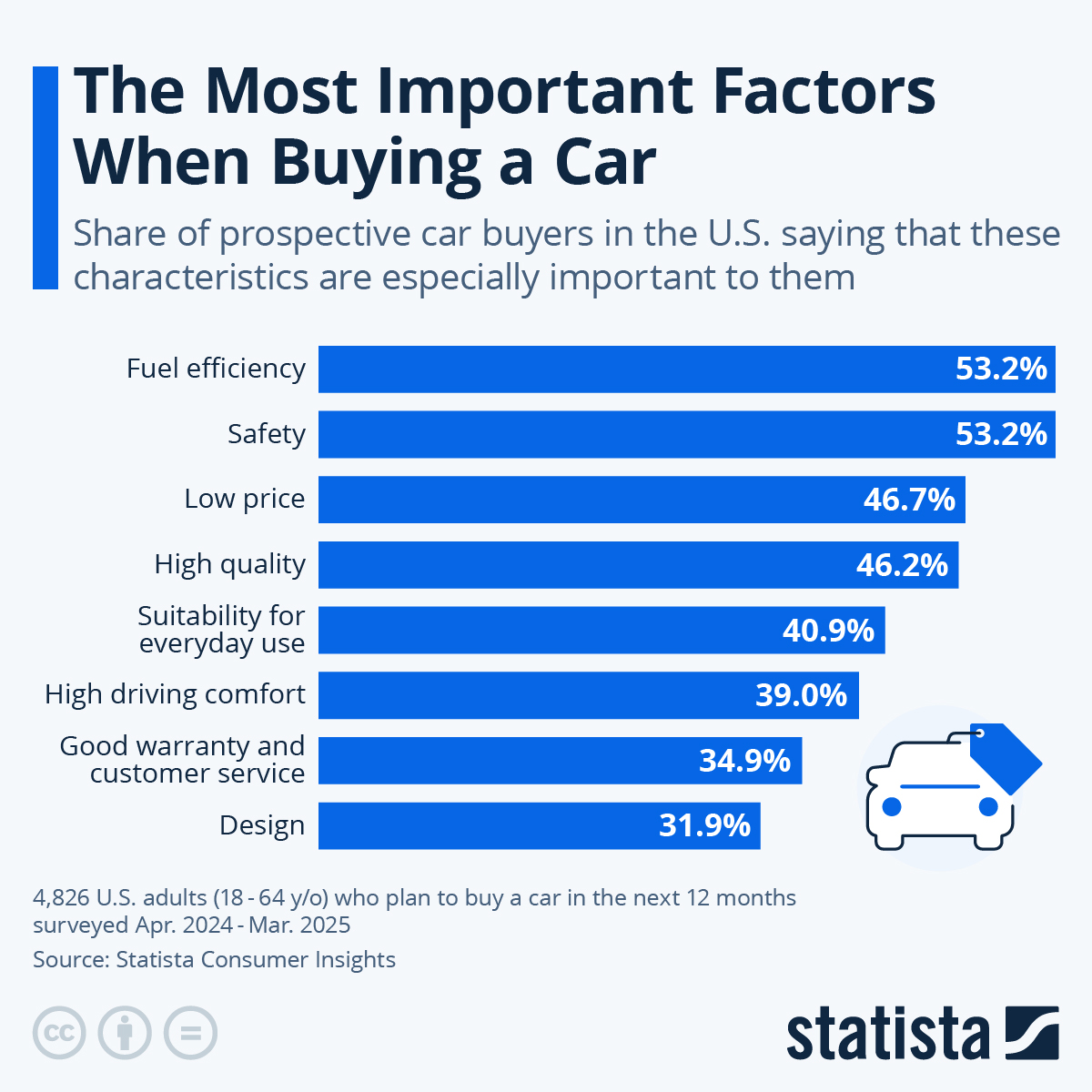
Mastering Beatrice’s Budget: A Strategic Breakdown of Car Ownership Costs
Purchasing a new car is a significant financial decision, especially when cost is the primary concern for someone like Beatrice. Beyond the sticker price, hidden expenses such as financing, insurance, maintenance, and depreciation can dramatically alter the total cost of ownership. Understanding these financial priorities allows Beatrice to make an informed choice that aligns with her long-term budget. This section explores the key components of a car budget, from calculating total affordability to leveraging financing tools and negotiating terms to maximize savings.
Total Cost of Ownership: Beyond the Sticker Price
 Beatrice’s budget must account for more than just the purchase price of the car. The total cost of ownership (TCO) includes direct expenses like financing, insurance, and fuel, as well as indirect costs such as depreciation, maintenance, and opportunity costs. Ignoring these factors can lead to financial strain, particularly if unexpected expenses arise. For example, a car priced at $25,000 may require an additional $10,000–$15,000 in expenses over five years, depending on usage and model.
A structured approach to budgeting involves:
Beatrice’s budget must account for more than just the purchase price of the car. The total cost of ownership (TCO) includes direct expenses like financing, insurance, and fuel, as well as indirect costs such as depreciation, maintenance, and opportunity costs. Ignoring these factors can lead to financial strain, particularly if unexpected expenses arise. For example, a car priced at $25,000 may require an additional $10,000–$15,000 in expenses over five years, depending on usage and model.
A structured approach to budgeting involves:
Using a car affordability calculator (such as those from Bankrate, NerdWallet, or Edmunds) helps Beatrice estimate these costs. Inputting her income, savings, and desired loan terms provides a clear picture of what she can realistically afford.
Step-by-Step Budget Calculation: From Research to Reality
Beatrice should follow a systematic process to determine her car budget, starting with her monthly disposable income and subtracting essential expenses (rent, utilities, groceries). The 20/4/10 rule serves as a guideline:
Example Calculation for Beatrice:
Using this budget, Beatrice can explore financing options. A $20,000 car with a $4,000 down payment and a 5% APR over 60 months results in $305/month, leaving room for insurance and fuel. However, if she opts for a $30,000 car with the same terms, her monthly payment jumps to $458, potentially straining her budget.
Hidden Costs and Financial Cushions: Preparing for the Unexpected
 Unexpected expenses can derail even the most meticulous budget. For instance:
Actionable Tips to Build a Cushion:
Real-World Example: A 2018 Honda Accord with 60,000 miles might cost $18,000 upfront but could incur $3,000 in repairs over three years. A new 2023 Accord at $25,000 may have lower maintenance costs initially but higher depreciation. Beatrice must weigh these trade-offs against her risk tolerance.
Comparative Cost Analysis: 5-Year Total Ownership Costs by Price Range
The following table compares the total 5-year costs for cars in different price ranges, including financing, insurance, maintenance, and fuel. Assumptions include:
| Car Price Range | Down Payment (20%) | Loan Amount | Monthly Payment (60 mo, 5% APR) | Total Financing Cost | Insurance (5 years) | Fuel (5 years) | Maintenance (5 years) | Total 5-Year Cost |
|---|---|---|---|---|---|---|---|---|
| $15K–$20K | $3,000–$4,000 | $12K–$16K | $200–$270 | $12K–$16.2K | $7,500 | $15,000 | $3,000–$4,000 | $38.5K–$46.7K |
| $20K–$25K | $4,000–$5,000 | $15K–$20K | $250–$335 | $15K–$20.1K | $7,500 | $15,000 | $3,500–$5,000 | $48.5K–$57.6K |
| $25K–$30K | $5,000–$6,000 | $19K–$24K | $320–$400 | $19.2K–$24.0K | $7,500–$9,000 | $15,000 | $4,000–$6,000 | $55.7K–$70.0K |
| $30K–$35K | $6,000–$7,000 | $23K–$28K | $385–$470 | $23.1K–$28.2K | $9,000–$11,000 | $15,000 | $5,000–$7,000 | $63.1K–$81.2K |
| $35K–$40K | $7,000–$8,000 | $27K–$32K | $450–$535 | $27.0K–$32.1K | $11,000–$13,000 | $15,000 | $6,000–$8 |
Evaluating Cost-Effective Car Models and Makes for Beatrice’s Budget
Beatrice’s decision to purchase a new car hinges on one critical factor: cost. Beyond the initial price tag, she must consider long-term financial implications such as fuel efficiency, maintenance, insurance, and depreciation. The market offers a range of affordable options, but identifying the most cost-effective models requires a strategic analysis of total cost of ownership (TCO), brand reliability, and hidden cost-saving features. This section explores the top 10 most affordable new car models under $25,000, compares TCO across five popular car segments, and evaluates budget-friendly brands known for low maintenance costs. Additionally, it examines how fuel efficiency, electric vehicle incentives, and resale value can optimize Beatrice’s budget, while providing actionable insights on negotiating purchase prices and spotting hidden costs during test drives.
Top 10 Most Affordable New Car Models Under $25,000 in 2024
Beatrice’s priority—balancing upfront cost, reliability, and fuel efficiency—narrows the field to 10 new car models that consistently rank as the best value in 2024. These vehicles are selected based on Kelley Blue Book (KBB) rankings, Consumer Reports reliability scores, and EPA fuel economy ratings, ensuring they meet her financial constraints without compromising performance or longevity. The list includes a mix of compact sedans, hatchbacks, and subcompact SUVs, all priced under $25,000 before incentives. Fuel efficiency is a standout feature, with several models achieving 30+ MPG in combined city/highway driving, significantly reducing long-term operational costs.
-
2024 Hyundai Accent
- Starting MSRP: $17,495 (base model)
- Fuel Economy: 33 city / 42 highway MPG (1.6L engine)
- Key Features: 5-year/60,000-mile basic warranty, Hyundai SmartSense safety suite (standard on higher trims), and a spacious interior for its class.
- Why It Stands Out: One of the most affordable new cars with low maintenance costs (Hyundai ranks #1 in J.D. Power’s 2024 Dependability Study for subcompact cars) and high resale value compared to competitors.
-
2024 Kia Rio
- Starting MSRP: $18,050 (base model)
- Fuel Economy: 33 city / 41 highway MPG (1.6L engine)
- Key Features: 5-year/60,000-mile warranty, Kia Drive Wise fuel-efficient driving mode, and a low insurance premium due to its safety tech (standard forward collision warning).
- Why It Stands Out: Kia’s lowest-priced trim includes Apple CarPlay/Android Auto, and the Rio’s 5-year cost to own is among the lowest in its segment per KBB.
-
2024 Toyota Yaris
- Starting MSRP: $19,250 (base LE trim)
- Fuel Economy: 42 city / 40 highway MPG (hybrid model)
- Key Features: Toyota’s legendary reliability, 3-year/36,000-mile basic warranty (5-year/60,000-mile on hybrid powertrain), and Toyota Safety Sense 2.0 (standard).
- Why It Stands Out: The Yaris Hybrid offers near 40 MPG combined, making it one of the most fuel-efficient cars in its price range. Toyota’s low maintenance costs (ranked #1 in reliability by Consumer Reports) ensure long-term savings.
-
2024 Honda Civic Sedan
- Starting MSRP: $22,970 (base LX trim)
- Fuel Economy: 32 city / 42 highway MPG (1.5L turbo engine)
- Key Features: Honda’s 3-year/36,000-mile basic warranty, Honda Sensing safety suite (standard), and low depreciation rate (Civic retains 55% of its value after 5 years, per KBB).
- Why It Stands Out: While slightly above the $25K threshold, the Civic’s TCO is among the lowest in compact sedans due to high reliability and strong resale value. Current incentives may bring it under $22,500.
-
2024 Mazda3 Sedan
- Starting MSRP: $22,500 (base Signature trim)
- Fuel Economy: 28 city / 37 highway MPG (2.5L engine)
- Key Features: Premium interior quality, 3-year/36,000-mile basic warranty, and Skyactiv-G engine (known for durability and low maintenance).
- Why It Stands Out: Mazda’s refined driving experience justifies its slightly higher price, but maintenance costs are 20% lower than average for its class (per RepairPal). The 2024 Mazda3 also offers a sportier feel without sacrificing fuel efficiency.
-
2024 Nissan Versa Sedan
- Starting MSRP: $18,490 (base S trim)
- Fuel Economy: 32 city / 40 highway MPG (1.6L engine)
- Key Features: 5-year/60,000-mile powertrain warranty, Nissan Safety Shield 360 (standard on higher trims), and low insurance costs due to its lightweight construction.
- Why It Stands Out: The Versa is the cheapest new car in America, and its fuel efficiency rivals more expensive models. However, resale value is weaker than Toyota or Honda, so Beatrice should weigh this against upfront savings.
-
2024 Chevrolet Spark EV
- Starting MSRP: $23,600 (before federal tax credit)
- Fuel Economy: 116 MPGe (equivalent to ~40 MPG gasoline)
- Key Features: $7,500 federal tax credit (reducing net price to ~$16,100), 3-year/36,000-mile basic warranty, and low operating costs (no gas, minimal maintenance).
- Why It Stands Out: The Spark EV is the most affordable new electric vehicle, offering near-zero fuel costs and lower maintenance than gas-powered cars. Ideal for Beatrice if she drives under 50 miles daily (optimal for EV range).
-
2024 Mitsubishi Mirage
- Starting MSRP: $16,995 (base ES trim)
- Fuel Economy: 37 city / 43 highway MPG (1.2L engine)
- Key Features: 3-year/36,000-mile basic warranty, Mitsubishi’s lowest-priced new car, and lightweight aluminum body (reduces maintenance needs).
- Why It Stands Out: The Mirage is the cheapest new car with AWD (available on higher trims), making it practical for snowy regions. However, interior quality is basic, and resale value is below average.
-
2024 Kia Soul
- Starting MSRP: $21,550 (base LX trim)
- Fuel Economy: 28 city / 34 highway MPG (2.0L engine)
- Key Features: 5-year/6
Beatrice’s journey to buying a new car on a budget is not just about finding the cheapest option—it’s about making a purchase that aligns with her financial goals without sacrificing reliability or safety. By mastering the art of cost analysis, leveraging incentives, and avoiding common pitfalls like long loan terms or depreciation traps, she can drive away in a car that fits her wallet today and her lifestyle tomorrow. The key lies in preparation: knowing her numbers, comparing total costs, and negotiating with confidence. For Beatrice, the smartest purchase isn’t always the flashiest—it’s the one that keeps her finances on track for years to come.
FAQ
What are the most cost-effective new cars Beatrice should consider in 2024?
Beatrice should prioritize compact sedans (e.g., Toyota Corolla, Hyundai Elantra) or subcompact cars (e.g., Honda Fit, Kia Rio) for affordability, as they offer low insurance rates, fuel efficiency (~30+ MPG), and starting prices under $20K. Certified pre-owned (CPO) models like the Mazda3 or Subaru Impreza can also save 20-30% compared to new equivalents. Always compare MSRP vs. dealer incentives using tools like Kelley Blue Book or TrueCar.
How can Beatrice negotiate the best price on a new car without overspending?
Start by researching the fair purchase price (not MSRP) using Edmunds or Consumer Reports, then avoid dealer add-ons (extended warranties, paint protection) unless essential. Negotiate based on cash offers (if paying upfront) or secure 0% APR financing (if leasing). Bring competing quotes from nearby dealers and walk away if the offer isn’t 3-5% below target—dealers often match better deals.
Should Beatrice buy a new car or lease to save money long-term?
Leasing is cheaper short-term (lower monthly payments, warranty coverage), but Beatrice pays nothing for depreciation—total costs over 3-5 years will exceed buying. Buying is better long-term if she drives 15K+ miles/year and plans to keep the car 5+ years; financing rates under 5% APR make ownership competitive. Use a lease vs. buy calculator (e.g., NerdWallet) to compare scenarios with her budget.
What hidden costs should Beatrice factor into the total car ownership cost?
Beyond the purchase price, include insurance (avg. $1,200–$1,800/year for new cars), fuel (varies by MPG—e.g., $1,500/year for 25 MPG at $3.50/gal), maintenance (first 3 years: ~$3K–$5K for oil changes, tires, brakes), and depreciation (new cars lose 20% in year 1). Tools like Bankrate’s car cost calculator can estimate total 5-year ownership costs accurately.
Are there government incentives or rebates Beatrice can use to reduce her new car purchase cost?
Yes—check federal tax credits (e.g., $7,500 for EVs like Tesla Model 3 or Ford Mustang Mach-E if income-qualified) and state/local incentives (e.g., California’s HOV lane access for hybrids, or cash rebates for clean vehicles). Dealers may also offer first-time buyer discounts or employee/military discounts. Use FuelEconomy.gov or your state’s DMV website to verify eligible programs before buying.
Leave a Comment
Comments are moderated before appearing. The data you submit is processed according to the Privacy Policy of Cloudpbx.